After Weight Loss Surgery in Perth
Losing a significant amount of weight is a life-changing achievement. Whether through diet and exercise or bariatric surgery, shedding excess weight brings many health benefits. However, for many individuals, the journey doesn’t end there. Significant weight loss often leaves behind excess, sagging skin that can cause discomfort, limit mobility, and impact self-confidence.
After weight loss surgery, also known as body contouring, helps reshape and refine the body by removing this excess skin and restoring natural contours. If you’re considering this next step in your transformation, this guide will provide all the information you need, from procedure options to recovery and expected results.
What Is After Weight Loss Surgery?
After weight loss surgery refers to a series of body contouring procedures designed to remove excess skin, tighten underlying tissues, and improve body shape after major weight loss. These procedures address common concerns such as sagging skin on the abdomen, arms, thighs, breasts, and face.
When the skin stretches due to weight gain, it often loses its ability to snap back after weight loss. This can lead to loose folds of skin that can be both physically uncomfortable and emotionally distressing. Body contouring surgery is not about vanity – it helps individuals complete their transformation and regain confidence in their appearance.
Who Is a Suitable Candidate for After Weight Loss Surgery?
Not everyone who loses weight will need body contouring surgery, but for those who struggle with excess skin, the procedure can be impactful. Appropriate candidates for body contouring meet the following criteria:
- Stable Weight – It’s important to maintain a stable weight for at least 6–12 months before surgery. Continued weight fluctuations can impact the results.
- Good Overall Health – Candidates should be in good general health, free from uncontrolled medical conditions such as heart disease, diabetes, or clotting disorders.
- Non-Smoker – Smoking significantly increases the risk of complications and poor healing. Patients should quit smoking at least six weeks before surgery.
- Significant Loose Skin – If excess ptotic skin causes discomfort, chafing, or hygiene issues, surgery may help improve daily comfort.
- Realistic Expectations – Body contouring surgery changes shape but does not create a “perfect” body. Patients should have a healthy mindset about their surgical procedures.
While body contouring may provide desirable results, it may not be suitable for individuals who are still actively losing weight, have severe medical conditions, or are planning future pregnancies, as these factors can affect long-term outcomes.
Contact UsTypes of Body Contouring Procedures
Abdominoplasty (Tummy Tuck)
A tummy tuck is one of the most common procedures for weight loss patients. It removes excess abdominal skin and fat, while also tightening the underlying muscles for a firmer, more sculpted stomach.
Lower Body Lift (Belt Lipectomy)
A lower body lift addresses loose skin around the abdomen, thighs, buttocks, and lower back. This is an ideal procedure for patients with extensive sagging following massive weight loss.
Arm Lift (Brachioplasty)
After weight loss, many individuals develop loose, sagging skin on the upper arms, sometimes
Thigh Lift
A thigh lift is designed to reshape the inner and outer thighs by removing loose skin and improving tone. This procedure is especially beneficial for those who experience chafing or discomfort due to excess thigh skin.
Breast Lift (Mastopexy)
Weight loss often leads to breast sagging and loss of volume. A breast lift raises and reshapes the breasts, restoring a more youthful and proportional appearance. Some patients choose to combine a breast lift with augmentation for added fullness.
Facelift & Neck Lift
Significant weight loss can also affect the face and neck, leading to sagging skin along the jawline and under the chin. A facelift or neck lift helps tighten loose skin and restore a more youthful contour.
After weight loss surgery is not a one-size-fits-all procedure. The type of surgery you need depends on which areas of your body have excess skin and what results you’re hoping to achieve. Your surgeon will help you determine which procedures will give you the best results based on your unique body shape and goals.
What to Expect During Surgery
➔ Preparation Before Surgery
Your journey begins with an initial consultation, where your surgeon will assess your health, weight stability, and skin condition. You’ll receive pre-surgical instructions, such as stopping certain medications and quitting smoking to ensure optimal healing.
➔ The Surgical Process
On the day of surgery, you will receive general anaesthesia to keep you comfortable. Depending on the procedure, your surgeon will make strategic incisions, remove excess skin, and use surgical techniques to tighten tissues. The duration of surgery varies – smaller procedures like arm lifts take around 2–3 hours, while a lower body lift can take 4–6 hours.
After surgery, compression garments are applied to reduce swelling and support healing. Some patients may need drains to prevent fluid buildup.
After Weight Loss Before and After Photo's
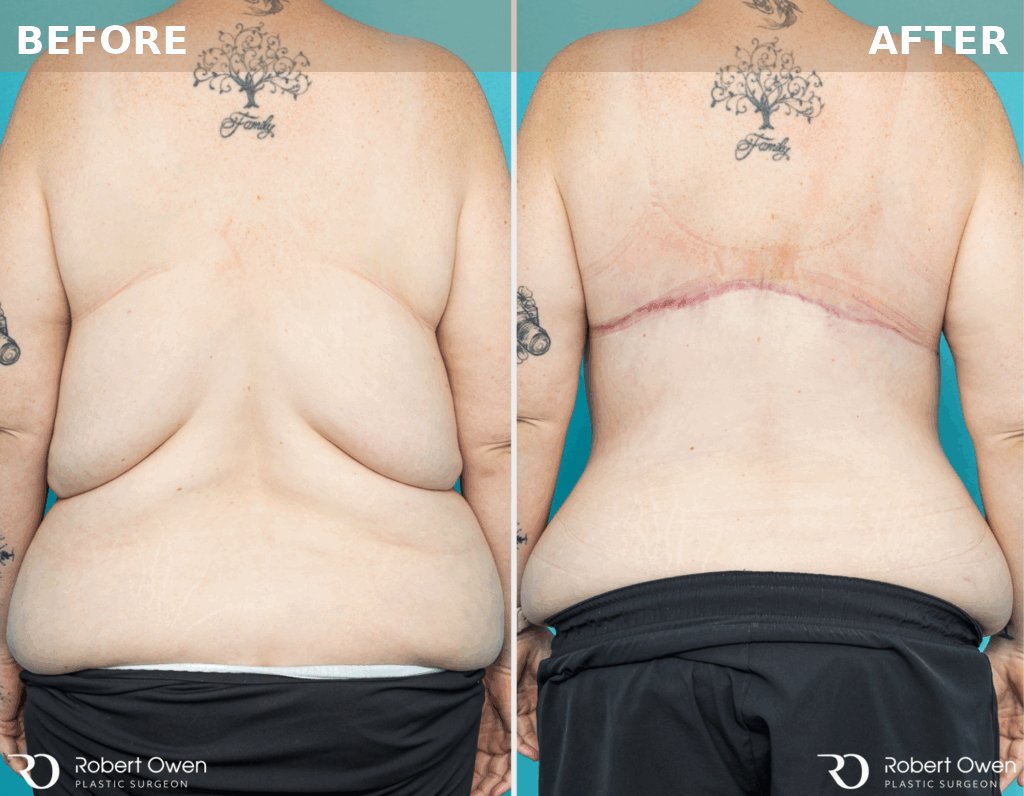
Surgical results differ from patient to patient due to variations in anatomy, skin quality, and healing. The images displayed are of Dr Robert Owen’s patients and are intended for general information only. Outcomes cannot be guaranteed. All procedures carry risks, which Dr Owen will explain during consultation
Recovery & Healing
Recovery times vary, but most patients can expect:
- First 2 Weeks: Swelling, bruising, and mild discomfort are normal. Patients must avoid strenuous activities and focus on rest and gentle movement.
- Weeks 3–6: Swelling starts to decrease, and patients can resume light activities but should still avoid heavy lifting.
- Months 3–6: Most swelling subsides, and final results start to become visible. Scars will begin to fade but may take up to a year to fully mature.
Following aftercare instructions, wearing compression garments, and attending follow-up appointments will ensure the best healing and long-lasting results.
Preparing Your Home & Lifestyle for Recovery
Recovery from body contouring surgery requires proper planning, and setting up a comfortable home environment in advance can make a huge difference.
✔ Prepare a rest area: Have extra pillows, a recliner, or a comfortable bed to keep your body elevated and supported.
✔ Stock up on essentials: Have prescription medications, healthy meals, and wound care supplies ready before surgery.
✔ Arrange for help: You’ll need a friend or family member to assist with daily tasks during the first 1–2 weeks.
✔ Meal prep in advance: Eating a protein-rich, nutrient-dense diet will support healing and reduce inflammation.
The Role of Nutrition & Exercise in Maintaining Results
After body contouring surgery, maintaining results is key to ensuring long-term satisfaction. Patients should:
✔ Eat a high-protein diet to support tissue healing and muscle tone.
✔ Stay hydrated to promote skin elasticity.
✔ Incorporate light movement early in recovery, such as walking, to improve circulation and prevent blood clots.
✔ Avoid extreme dieting or rapid weight fluctuations, which can affect skin tightness.
Once fully healed, strength training and resistance exercises can help maintain firm, toned contours and prevent future sagging.
Understanding the Risks
As with any surgery, body contouring carries some risks, including infection, bleeding, scarring, and asymmetry. Choosing a qualified, experienced surgeon and following post-op instructions greatly reduces these risks. In rare cases, some patients may need revision surgery to refine results or correct unexpected healing issues.
The Emotional & Psychological Impact of Body Contouring
Losing weight is a transformational journey that impacts not just physical health but also emotional well-being. Many patients find that while they are proud of their weight loss, the excess skin can affect their self-esteem.
After weight loss surgery helps patients feel more comfortable, confident, and in control of their bodies. However, it’s also essential to mentally prepare for the recovery process, scarring, and the patience required to see final results. Speaking with a support group, therapist, or previous patients can help manage expectations and emotions.
The Importance of Choosing a Qualified Plastic Surgeon
Your choice of surgeon is the most important factor in achieving safe, successful results. When selecting a plastic surgeon for body contouring, patients should look for:
✔ Fellowship-trained and board-certified surgeons with experience in post-weight loss body contouring.
✔ A track record of excellent results, with before-and-after photos of previous patients.
✔ A comprehensive consultation where the surgeon listens to your goals and provides realistic expectations.
✔ A fully accredited surgical facility with high safety standards.
Choosing a highly qualified and experienced surgeon ensures the best possible outcomes and minimises risks.
Contact UsFAQs
Find out more about your surgical journey
How long should I wait after weight loss before having body contouring surgery?
It is recommended to wait at least 6–12 months after reaching your goal weight before undergoing body contouring surgery. This allows your body to stabilise, ensuring better surgical outcomes and reducing the risk of complications. Weight fluctuations can affect skin elasticity and overall results, so maintaining a stable weight is essential before proceeding with surgery.
Will I have visible scars after surgery?
Yes, all surgical procedures result in some degree of scarring, but your surgeon will place incisions in discreet areas whenever possible. Over time, scars fade and flatten, though their visibility depends on factors like genetics, skin type, and post-operative care. Using scar management techniques, such as silicone gel, scar massage, and sun protection, can help improve their appearance.
How long does it take to recover from body contouring surgery?
Recovery varies depending on the specific procedure and individual healing capacity. Most patients can resume light activities within 2–3 weeks and return to moderate exercise after 6 weeks. Swelling and minor discomfort will gradually subside over several months, with final results typically visible around 6–12 months post-surgery. Following your surgeon’s aftercare instructions, such as wearing compression garments and avoiding strenuous activities, is crucial for a smooth recovery.
Will I need more than one surgery?
If you require body contouring on multiple areas, your surgeon may stage procedures over separate surgeries for safety and optimal healing. Some patients opt for a single combined surgery, such as a lower body lift (abdomen, thighs, buttocks) or breast lift with an arm lift, while others may undergo procedures in phases to allow for a more comfortable recovery. Your surgeon will assess your medical history and body goals to determine the best approach.
How painful is recovery?
Discomfort is common in the first 1–2 weeks, but it is well-managed with prescribed pain medications and proper aftercare. Many patients report feelings of tightness, swelling, and bruising, particularly in areas where muscle tightening was performed, such as the abdomen. Pain levels gradually decrease each day, and most patients find that they can transition to over-the-counter pain relief within two weeks. Following your surgeon’s instructions, such as wearing compression garments and getting enough rest, will help improve comfort during recovery.
Will my results be permanent?
The results of body contouring surgery are long-lasting, especially if you maintain a stable weight and follow a healthy lifestyle. However, significant weight gain or pregnancy can alter the results over time, causing skin to stretch again. While natural aging may lead to some changes in skin elasticity, the improvements achieved through surgery will remain noticeable for many years.
Can I combine body contouring with other cosmetic procedures?
Yes, many patients choose to combine procedures to enhance results and reduce overall recovery time. Common combinations include a tummy tuck with liposuction, a breast lift with an arm lift, or a lower body lift addressing multiple areas in one procedure. However, not all patients are suitable candidates for combined surgeries, as safety is the top priority. Your surgeon will evaluate your medical history and body goals to determine the best and safest surgical plan for you.
Further Reading
Explore more about After Weight Loss Surgery and related topics on Dr Robert Owen’s Website:
Medical References
- Skin manifestations and biophysical changes following weight reduction induced by bariatric surgery: A 2‐year prospective study / onlinelibrary.wiley.com / https://onlinelibrary.wiley.com/doi/abs/10.1111/1346-8138.16951
- Comparison of Histological Skin Changes After Massive Weight Loss Following Surgical and Non-Surgical Interventions / pmc.ncbi.nlm.nih.gov / https://pmc.ncbi.nlm.nih.gov/articles/PMC10899414/
- Soft Tissue Facial Changes Following Massive Weight Loss After Bariatric Surgery / academic.oup.com / https://academic.oup.com/asjopenforum/article/doi/10.1093/asjof/ojae069/7739023
- Long-Term Outcomes After Bariatric Surgery: a Systematic Review and Meta-analysis of Weight Loss at 10 or More Years / pmc.ncbi.nlm.nih.gov / https://pmc.ncbi.nlm.nih.gov/articles/PMC6320354/
- Bariatric Surgery in the United Kingdom: A Cohort Study of Weight Loss and Clinical Outcomes 4 Years After Surgery / journals.plos.org / https://journals.plos.org/plosmedicine/article?id=10.1371%2Fjournal.pmed.1001925
- Skin changes after bariatric surgery / pmc.ncbi.nlm.nih.gov / https://pmc.ncbi.nlm.nih.gov/articles/PMC4371663/
- Bariatric surgery / mayoclinic.org / https://www.mayoclinic.org/tests-procedures/bariatric-surgery/about/pac-20394258
Final Thoughts: Is After Weight Loss Surgery Right for You?
After weight loss surgery is about more than just appearance – it’s about feeling comfortable, confident, and free in your own body. If loose skin is limiting your mobility, causing discomfort, or affecting your self-esteem, body contouring could be the final step in your transformation.
With the right surgeon, a healthy mindset, and proper preparation, you can achieve long-lasting results and fully embrace your weight loss success.
Ready to complete your transformation? Book a consultation with Dr. Robert Owen to discuss your personalised surgical plan and take the next step toward the body you’ve worked so hard for!