Skin Cancer Surgery in Perth with Dr. Robert Owen
Australia holds an unfortunate record: we have one of the highest rates of skin cancer in the world. Nearly one in three Australians will be diagnosed with some form of skin cancer in their lifetime. The good news? Skin cancer is highly treatable, especially when detected early, and surgery is often the most effective method of treatment.
If you’ve been diagnosed with skin cancer or you’re concerned about a suspicious spot, you’re likely feeling overwhelmed with questions. What’s next? Will it leave a scar? Is surgery painful? How soon can I get back to my normal life? This comprehensive guide aims to answer all those questions – and more.
Under the expert care of Dr. Robert Owen, a leading Specialist Plastic Surgeon in Perth, you’ll not only receive the highest standard of medical treatment but also compassionate, patient-focused care designed to help you feel informed, supported, and confident every step of the way.
What is Skin Cancer Surgery?
At its core, skin cancer surgery is about one thing: removing cancerous tissue to prevent the cancer from spreading. But it’s more than just cutting out a lesion. The goal is to eliminate all cancer cells while preserving as much healthy skin as possible, ensuring both your health and, when necessary, your appearance are protected.
Depending on the type, size, and location of the skin cancer, the surgical approach can vary significantly. Some procedures are quick and straightforward, while others – especially those involving facial areas – may require advanced reconstructive techniques to restore natural appearance and function.
Why Early Treatment is Life-Saving
We can’t stress this enough: early detection and treatment save lives.
While some skin cancers, like basal cell carcinoma (BCC), grow slowly and rarely spread, others – particularly melanoma – can be aggressive, spreading to lymph nodes and other organs if not caught early.
The silver lining? When detected early, skin cancer is highly treatable – often with minor surgery alone. That’s why regular skin checks and prompt action when you notice changes are so crucial.
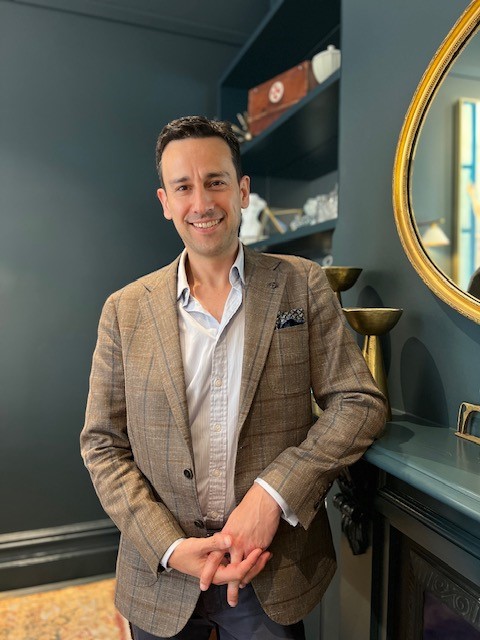
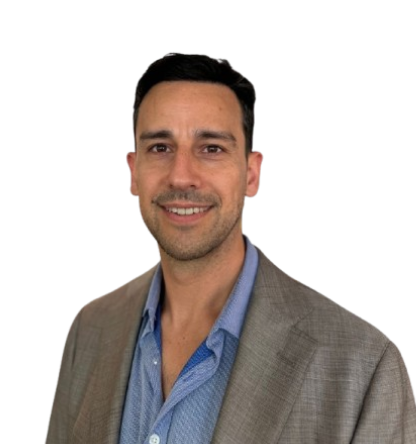
Meet Dr. Robert Owen: Specialist Plastic Surgeon in Perth
Choosing the right surgeon isn’t just about qualifications (although Dr. Owen has those in abundance). It’s about finding someone who listens, understands your concerns, and has the surgical expertise to deliver the best outcomes – both medically and cosmetically.
About Dr. Robert Owen:
- Medical Degree: Cardiff University, UK
- Specialist Training: Fellowship of the Royal Australasian College of Surgeons in Plastic and Reconstructive Surgery
- International Fellowship: Focused on Melanoma and Sarcoma Surgery
- Areas of Expertise: Skin cancer removal, reconstructive surgery, and advanced plastic surgery techniques
Dr. Owen’s patients often praise not just his surgical skill, but his warm, approachable manner. He takes the time to explain your diagnosis, treatment options, and what to expect – because you deserve to feel informed and supported, not rushed through a medical process.
Who Needs Skin Cancer Surgery?
Skin cancer surgery isn’t reserved for extreme cases. It’s often the first line of treatment for many types of skin cancer, including:
- Basal Cell Carcinoma (BCC): The most common, typically slow-growing but requires removal to prevent local damage.
- Squamous Cell Carcinoma (SCC): Faster-growing and can spread if untreated.
- Melanoma: The most aggressive form, requiring urgent surgical intervention.
- Precancerous Lesions: Such as actinic keratoses, which have the potential to turn into SCC.
Even if you haven’t been officially diagnosed, your doctor might recommend surgery if there’s a suspicious mole or lesion that needs to be fully excised for diagnostic purposes.
Am I a Suitable Candidate for Skin Cancer Surgery?
Suitable Candidates:
Most people with a skin cancer diagnosis are suitable for surgery. Good candidates typically:
- Are in overall good health
- Do not have uncontrolled chronic conditions like severe heart disease
- Are non-smokers (or willing to quit temporarily, as smoking impairs healing)
- Are committed to following post-operative care instructions
Who Might Need Special Consideration?
If you have certain health conditions – like bleeding disorders, compromised immunity, or a history of poor wound healing – Dr. Owen will tailor the surgical plan to manage risks.
Contact UsTypes of Skin Cancer Surgery
Excisional Surgery
This is the standard technique. The lesion, along with a small margin of healthy tissue, is removed to ensure complete cancer clearance. The wound is then stitched closed.
Ideal for: BCC, SCC, and early-stage melanoma.
Curettage and Electrodessication (C&E)
For small, superficial cancers, the lesion is scraped away with a sharp instrument (curette) and then treated with an electric needle to destroy remaining cancer cells.
Ideal for: Superficial BCCs and SCCs on the body.
Reconstructive Surgery
When large areas of tissue are removed—especially on the face—Dr. Owen may perform reconstructive surgery using skin grafts or local tissue flaps to restore both appearance and function.
Ideal for: Complex excisions where cosmetic outcomes are a priority.
What Happens During Skin Cancer Surgery?
➔ Step 1: The Consultation
You’ll meet with Dr. Owen to discuss your diagnosis and treatment plan. He’ll explain the procedure in detail, answer your questions, and make sure you’re comfortable with the next steps.
➔ Step 2: The Procedure
Most surgeries are performed under local anaesthesia, meaning the area is numb, but you’re awake. For larger or more complex cases, sedation or general anaesthesia may be used.
The procedure can take anywhere from 30 minutes to several hours, depending on complexity. Once the cancer is removed, the wound will be closed with stitches, or, if needed, a skin graft or flap will be used.
➔ Step 3: Immediate Recovery
After surgery, you’ll rest briefly in recovery before heading home with detailed aftercare instructions. Dr. Owen’s team will ensure you’re comfortable and know how to care for your wound.
Recovery After Skin Cancer Surgery
➔ The First Few Days:
Expect some swelling, bruising, and mild discomfort. Over-the-counter pain relief (like paracetamol) usually manages any pain effectively.
➔ Ongoing Healing:
- Stitches: Removed within 5–14 days, depending on the location.
- Scarring: Scars will initially appear red and raised but fade over time.
- Back to Normal: Most people return to light activities within a few days.
What Are the Risks?
While skin cancer surgery is generally safe, potential risks include:
- Bleeding and infection: Rare, but manageable if they occur.
- Scarring: Unavoidable, but techniques are used to minimise visibility.
- Nerve damage: Rare, but possible if nerves are close to the lesion.
- Recurrence: Even with successful surgery, skin cancer can return, highlighting the importance of regular follow-ups.
How to Minimise Risks?
- Choose an experienced surgeon like Dr. Owen.
- Follow post-op instructions carefully.
- Attend follow-up appointments to catch any issues early.
What If the Cancer Comes Back?
If skin cancer recurs, it can often be treated effectively with additional surgery or other treatments. The key is early detection, which is why regular skin checks are essential—even after successful treatment.
Contact UsFAQs
Is skin cancer surgery painful?
No. The procedure is done under anaesthesia, so you won’t feel pain. Mild discomfort after surgery is common but manageable with medication.
Will I have a scar?
Yes, but Dr. Owen uses advanced techniques to minimise scarring. Over time, most scars fade significantly.
How soon can I return to work?
Many people return to light activities within a few days, but it depends on the surgery’s extent and your job type.
Can skin cancer come back after surgery?
Yes, recurrence is possible. Regular skin checks help detect new or recurring cancers early.
How do I care for my wound after surgery?
Keep it clean, dry, and covered as instructed. Follow all aftercare guidelines to promote healing.
What if I don’t get the surgery?
Leaving skin cancer untreated can lead to local spread, tissue damage, and in the case of melanoma, life-threatening metastasis.
How can I prevent skin cancer?
Use sunscreen daily, wear protective clothing, and avoid peak UV exposure. Regular skin checks are crucial for early detection.
Further Reading
Explore more about Skin Cancer Surgery and related topics on Dr Robert Owen’s Website:
Medical References
- Non-melanoma skin cancer treated with hypofractionated 192—Ir contact brachitherapy: a single institution series / Frontiers in Oncology / https://www.frontiersin.org/journals/oncology/articles/10.3389/fonc.2024.1525926/full1
- Advances in Melanoma and Other Skin Cancers Research / National Cancer Institute (NCI) / https://www.cancer.gov/types/skin/research2
- Skin cancer: understanding the journey of transformation / PMC (PubMed Central) / https://pmc.ncbi.nlm.nih.gov/articles/PMC10559482/3
- Skin Cancer / StatPearls / https://www.ncbi.nlm.nih.gov/books/NBK441949/4
- January 2025 – Volume 51 – Issue 1 : Dermatologic Surgery / Dermatologic Surgery / https://journals.lww.com/dermatologicsurgery/toc/2025/010005
- Skin Cancer: Symptoms, Types & Treatment / Cleveland Clinic / https://my.clevelandclinic.org/health/diseases/15818-skin-cancer6
- Journal of Skin Cancer / Wiley Online Library / https://onlinelibrary.wiley.com/journal/91587
Final Thoughts: Your Journey Starts Here
Hearing “you have skin cancer” can be frightening. But with early detection and expert care, most skin cancers are highly treatable. Under the guidance of Dr. Robert Owen, you’ll receive not just top-tier surgical expertise but compassionate support every step of the way.
If you’ve been diagnosed with skin cancer – or if you’re worried about a suspicious spot – don’t wait. Early action is the key to the best outcomes.
Book your consultation with Dr. Owen today and take the first step toward peace of mind and a healthier future.