For many individuals, breast implants serve a purpose – whether to change their shape, restore volume after pregnancy or weight loss, or reconstruct breast tissue following surgery. Over time, however, personal goals, health considerations, or lifestyle changes can lead someone to reconsider their initial decision.
Dr. Robert Owen, a Specialist Plastic & Reconstructive Surgeon based in Perth, WA, offers personalised, evidence-informed care for patients considering their options after removing breast implants. With a practice grounded in clinical excellence, transparency, and ethical decision-making, Dr. Owen guides patients through every stage of their journey – from initial consultation to recovery.
This article provides a comprehensive look at the surgical options available following implant removal, and how Dr. Owen helps patients make informed choices that align with their health, anatomy, and long-term goals.
Why Do People Choose to Remove Breast Implants?
Breast implant removal, also known as explant surgery, is considered for a variety of reasons. While motivations are unique to each person, several common themes emerge:
Over time, some individuals develop capsular contracture, where the tissue capsule that naturally forms around the implant becomes abnormally firm or tight. This can result in breast distortion, discomfort, or even pain, prompting patients to consider removal.
Implant rupture or leakage is another reason patients seek explantation. Saline implants tend to deflate visibly when ruptured, while silicone implants may require imaging to detect subtle changes. Either scenario may warrant removal or replacement, depending on clinical and aesthetic factors.
Some patients experience a shift in their personal lifestyle or aesthetic preferences. What once felt like the right choice may no longer align with how they feel about their body or identity. For these individuals, returning to a more natural breast appearance may feel empowering or simply more comfortable.
There are also cases where patients report symptoms they associate with Breast Implant Illness (BII) – a term used to describe a wide range of systemic symptoms, including fatigue, brain fog, and joint pain. Although there is no definitive medical test for BII, Dr. Robert Owen acknowledges patient concerns and is happy to discuss the role explantation might play in their symptom management.
Additionally, the natural effects of ageing or weight fluctuations can change how breast implants sit or feel over time. Tissue thinning, ptosis, or changes in breast shape may make existing implants feel and look less supported.
Lastly, increasing awareness of rare implant-related conditions, such as Breast Implant-Associated Anaplastic Large Cell Lymphoma (BIA-ALCL), has prompted some patients to explore their options. While this condition is rare, Dr. Owen is committed to discussing potential risks and ensuring his patients feel informed and safe when considering next steps.
Understanding the Implant Removal Process
The process of removing breast implants is referred to as explant surgery. The approach used will depend on factors such as the patient’s anatomy, implant history, and what they hope to achieve following removal.
In some cases, implant removal alone is sufficient. This may be ideal for individuals with good skin elasticity and a reasonable volume of natural breast tissue.
For others, removal of the surrounding capsule, known as a capsulectomy, may be necessary. This involves excising the scar tissue that has formed around the implant, particularly if it has hardened, distorted the breast shape, or caused discomfort.
In a few select cases, particularly when there are medical concerns such as suspected implant rupture or BIA-ALCL, Dr. Owen may recommend an en bloc removal, which involves taking the implant and the surrounding capsule out as a single unit. While this method can be more extensive, it may be appropriate for certain patients after thorough evaluation.
For patients who are concerned about their post-removal appearance, additional procedures like a breast lift (mastopexy) or fat transfer may be recommended. These procedures are often performed alongside explant surgery to improve breast contour, skin position, or volume.
As a Specialist Plastic & Reconstructive Surgeon, Dr. Robert Owen tailors each surgical plan to the individual, ensuring that the approach is not only technically appropriate but also aligned with the patient’s health and personal goals.
Surgical Options After Removing Breast Implants
1. Implant Removal Alone
Some patients choose to have their implants removed without any additional reshaping or reconstruction. This approach may suit individuals with good-quality breast tissue, minimal ptosis, and no significant concerns about volume loss.
While this is the least invasive of the explant procedures, it’s important to understand that the breasts may appear smaller, deflated, or lower on the chest wall following surgery. The degree of change depends on the patient’s original breast volume, the size and type of implant, and the duration the implants were in place.
During your consultation, Dr. Owen will conduct a physical examination and review your implant history to help predict likely changes and set realistic expectations.
2. Implant Removal with Breast Lift (Mastopexy)
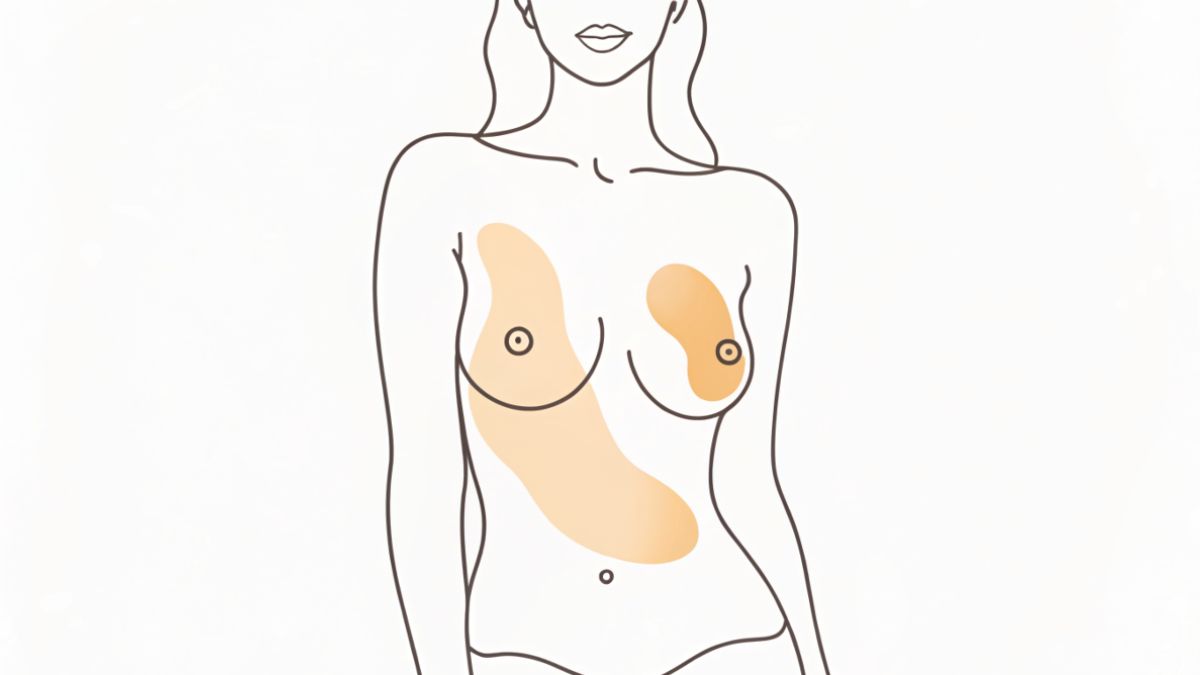
For many individuals, implant removal leaves behind stretched skin or ptosis (drooping), particularly if the implants were large or the tissue has become thinner over time.
A mastopexy, or breast lift, addresses this by removing excess skin and repositioning the breast tissue and nipple to a higher, more central location on the chest. This can help restore a firmer, more youthful breast shape without adding new volume.
Dr. Robert Owen’s approach to mastopexy is highly customised. He assesses nipple height, skin laxity, and breast dimensions to create a result that balances function and aesthetics while minimising unnecessary scarring. His goal is to ensure the breast appears proportionate and well-positioned, especially after volume changes caused by implant removal.
3. Fat Transfer to the Breast
In select patients, autologous fat grafting – or fat transfer – can be a valuable option for restoring volume after explant surgery.
This process involves using liposuction to harvest fat from other areas of the body, such as the abdomen, flanks, or thighs. The fat is then purified and carefully injected into the breast tissue to adjust volume and address contour.
Fat grafting can be used to:
- Fill in hollows or irregularities caused by implant removal
- Manage cleavage or upper-pole fullness in a subtle way
- Achieve modest size increases without implants
Ideal candidates for fat transfer should have sufficient donor fat and realistic expectations regarding the level of enhancement. While some fat resorption is normal, Dr. Owen uses refined techniques to manage graft survival and maintain optimal outcomes.
4. Combination Procedures
In many cases, the most suitable outcome is achieved through a combination of procedures tailored to the individual’s needs.
For example, a patient may undergo:
- Implant removal followed by a lift to reposition tissue
- Explantation with simultaneous fat transfer to restore volume
- A three-part procedure involving explant, mastopexy, and fat grafting to achieve comprehensive reshaping
Combination approaches can be particularly beneficial for patients who want to address both aesthetic and structural changes in a single surgical setting. As a reconstructive surgeon, Dr. Owen has experience managing complex cases, including those with previous surgical complications or tissue asymmetries.
Dr. Robert Owen’s Patient-Centered Surgical Philosophy
At the core of Dr. Robert Owen’s practice in Perth, WA, is a belief in patient-centered, transparent care. Every patient is given the time and space to voice their goals, ask questions, and understand their options without pressure or rushed decisions.
His approach includes:
- Tailored planning, based on anatomical analysis, medical history, and personal preference.
- Evidence-based techniques, aimed at producing consistent, safe, and long-lasting outcomes.
- Clear communication, ensuring that each patient understands the potential risks, benefits, and limitations of their chosen procedure.
- Collaborative care, working with other healthcare providers when appropriate to manage complex or medically sensitive cases.
Dr. Owen believes that every surgical journey should begin with mutual understanding and shared decision-making.
What to Expect Before, During, and After Surgery
✓ Pre-Operative Planning
Prior to any surgery, Dr. Owen conducts a comprehensive consultation and evaluation, which includes:
- Reviewing your full medical and surgical history
- Discussing motivations for implant removal
- Assessing the condition of your skin and breast tissue
- Exploring surgical options and anticipated results
You’ll receive detailed information about the procedure, recovery expectations, and what outcomes are likely based on your anatomy and goals.
✓ The Surgical Day
Explant procedures are typically performed under general anaesthesia in an accredited surgical facility. Depending on the complexity of your case, surgery may last from one to several hours.
Dr. Owen uses meticulous techniques to manage the implant pocket, maintain haemostasis, and carefully remove scar tissue if required. In revision or capsulectomy cases, drains may be placed to reduce fluid build-up and assist healing.
Incisions are planned to allow adequate access while minimising visible scarring whenever possible.
✓ Recovery and Aftercare
Post-operative care is a central part of the overall outcome. Dr. Owen provides detailed instructions to support recovery and healing, including:
- Wearing a front-fastening, soft support bra continuously for approximately six weeks
- Beginning light walking and gentle activity once wounds are healed (typically after two weeks)
- Avoiding strenuous exercise, heavy lifting, or upper body workouts for at least six weeks
- Attending scheduled follow-up appointments to monitor healing and discuss any concerns
Dr. Owen remains accessible throughout the recovery period and encourages patients to reach out with any questions.
Factors to Consider Before Choosing Implant Removal
Implant removal is a deeply personal choice that carries both physical and emotional implications. Key factors to consider include:
- Appearance changes, such as reduced volume, altered shape, or changes in nipple position
- Skin redundancy, which may lead to the need for a lift
- Scarring, particularly if additional procedures like capsulectomy or mastopexy are involved
- Sensation, which may be affected, especially in revision cases
- Long-term expectations, including how your body may adapt and change over time
Dr. Robert Owen helps each patient weigh the benefits and potential trade-offs so they can make a confident, informed decision. Specialist Plastic & Reconstructive Surgeon reflects his dedication to the surgical craft and to the people he serves.
FAQs About Breast Implant Removal
Why Choose Dr. Robert Owen in Perth, WA?
Choosing the right surgeon is an essential part of a positive surgical journey. Dr. Robert Owen offers:
- Extensive experience as a Specialist Plastic & Reconstructive Surgeon, with advanced training in both cosmetic and complex breast surgery
- A calm, respectful, and non-judgmental approach to patient care
- Individualised surgical planning that prioritises function, proportion, and longevity
- Honest, evidence-based guidance without unrealistic promises
- Convenient access to care from his Perth-based practice, supported by a multidisciplinary network when needed
Dr. Owen’s commitment to clinical excellence, ethical standards, and continuous patient support has made him a trusted choice for women and men throughout Perth and surrounding regions.
Considering Your Next Step
If you’re considering breast implant removal and would like to understand your options in more detail, we welcome you to book a private consultation with Dr. Robert Owen, Specialist Plastic & Reconstructive Surgeon in Perth, WA.
During your appointment, Dr. Owen will provide a thorough assessment, explain all appropriate treatment pathways, and answer any questions you may have. The goal is to ensure that you feel confident, informed, and supported – every step of the way.
Browse to related pages to learn more or schedule your consultation by checking our contact page.
Further Reading Breast Implant Removal
- Read more about Dr Robert Owen’s Procedure Page on Breast Implant Replacement Perth
- Read more about Dr Robert Owen’s Procedure Page on Breast Implant Removal Perth
- Read more about Dr Robert Owen’s Blog on What is an Enbloc Removal?
- Read more about Dr Robert Owen’s Blog on Does Implant Removal Hurt and How Is Pain Managed? – A Specialist’s Approach with Dr Robert Owen