Gynaecomastia Surgery in Perth
Gynaecomastia surgery, commonly referred to as male breast reduction, is a body contouring surgery to address excess breast tissue in men. This condition, known medically as gynaecomastia, can cause a visibly enlarged chest, often resulting in physical discomfort or emotional distress.
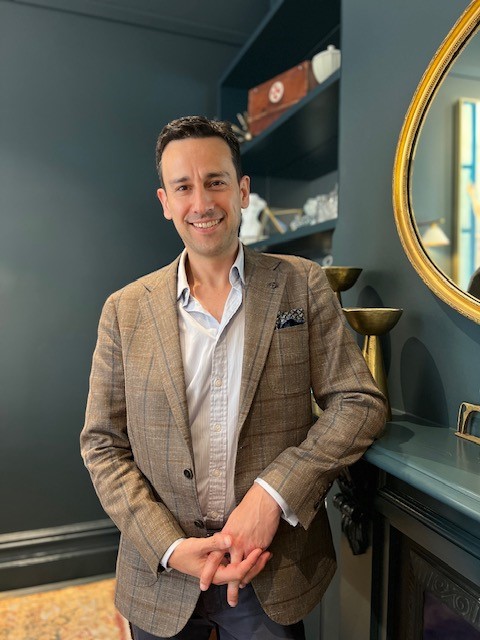
Dr Robert Owen, a Specialist Plastic & Reconstructive Surgeon based in Perth, Western Australia, offers gynaecomastia surgery with a focus on patient-centred care, clinical integrity, and tailored treatment planning. While often pursued for aesthetic reasons, this procedure may also provide functional benefits, especially when excess tissue causes pain, restricts physical activity, or leads to skin irritation under the breast fold.
Gynaecomastia can occur at any age and often appears during adolescence. While it may resolve on its own in some cases, persistent or late-onset gynaecomastia frequently requires surgical intervention. Addressing this condition surgically can help improve both physical comfort and psychological wellbeing, particularly for individuals who have experienced long-term distress or social limitations due to their chest contour. Dr Owen’s approach emphasises the importance of understanding not only the physical symptoms but also the emotional toll gynaecomastia can take, and his treatment philosophy includes open dialogue and mutual goal setting with each patient.
What Is Gynaecomastia Surgery?
Gynaecomastia surgery is a procedure designed to remove enlarged glandular breast tissue, fatty deposits, or both from the male chest. It is typically performed to achieve a flatter, firmer, and more proportionate chest contour. The goal of the surgery is to create a natural-looking result that aligns with the patient’s overall body structure and expectations.
The condition may be caused by hormonal imbalances (such as an increase in oestrogen or decrease in testosterone), certain medications, anabolic steroid use, underlying medical conditions (including liver or kidney disorders), or idiopathic factors (no known cause). Lifestyle factors such as obesity or drug use may also contribute to the development or worsening of gynaecomastia. Although non-surgical measures such as medication adjustment or weight loss may help in selected cases, surgical correction remains the most reliable option for persistent gynaecomastia.
Gynaecomastia can be classified into true gynaecomastia, which involves an increase in glandular breast tissue, and pseudogynaecomastia, where the excess volume is due primarily to fat accumulation. An accurate diagnosis is critical, as it determines the most appropriate treatment strategy. Dr Owen carefully evaluates each patient’s presentation to determine the correct classification and customises the treatment accordingly. His surgical planning takes into account factors such as skin tone, elasticity, degree of enlargement, and any history of prior chest procedures or trauma.
Who is it for (Candidates For Gynaecomastia Surgery)
Candidates for gynaecomastia surgery typically include men who experience persistent fullness or prominence in the chest that does not respond to weight loss or lifestyle changes. Some individuals may have developed gynaecomastia during puberty, which has remained unchanged or worsened over time. Others may develop it later in life due to hormonal shifts, medications, or metabolic changes.
Some individuals report avoiding certain types of clothing or limiting participation in activities such as sport or swimming due to concerns about the appearance of their chest. These concerns may also affect social interactions or personal relationships. During consultation, it is important to assess how the condition impacts day-to-day function, physical comfort, and broader quality of life, including any psychological effects that may be relevant to their care.
Surgery is considered appropriate when breast tissue has remained stable for at least 12 months, and the patient is otherwise healthy. It is particularly effective when performed on individuals close to their ideal weight, as weight fluctuations post-surgery can influence the final result. Dr Owen supports that every patient has a clear understanding of what the surgery can achieve and whether their goals align with medically achievable outcomes.
Contact UsTypes of Gynaecomastia
True Gynaecomastia
True Gynaecomastia is the enlargement of male breast tissue due to actual proliferation of glandular breast tissue, treated surgically via subcutaneous mastectomy (direct excision of glandular tissue through a periareolar incision).
- Pros: permanent removal of glandular tissue; low recurrence
- Cons: Surgical risks (scarring, nipple sensory changes, asymmetry), requires anaesthesia
Pseudogynaecomastia
Pseudogynaecomastia is the appearance of enlarged male breasts caused by excess fatty tissue (not glandular), treated via liposuction (suction-assisted removal of fat through small cannula incisions).
- Pros: Minimally invasive, minimal scarring, faster recovery
- Cons: Not effective if glandular tissue is present; skin laxity may remain; results can recur with weight gain
How Is It Performed (Surgery For Gynaecomastia)
Gynaecomastia surgery is a hospital-based procedure performed under general anaesthesia. The method used depends on the type and composition of the excess tissue. The goal is to achieve a smooth, balanced chest contour while maintaining natural proportions and minimising scarring.
In cases where fatty tissue predominates, liposuction alone may be sufficient. This involves making small incisions, often hidden near the underarm or along the chest fold, and inserting a fine cannula to remove the fat via suction. This technique is less invasive and typically results in minimal scarring and a shorter recovery period.
When dense glandular tissue is present, direct excision is required. This involves making an incision at the edge of the areola, which allows for removal of the gland while concealing the scar within the natural colour transition of the skin. Excision may also be necessary to correct nipple puffiness, improve chest symmetry, or refine areas that liposuction cannot effectively address.
For many patients, a combination of both techniques offers the most balanced result. Dr Owen uses a tailored approach that accounts for tissue type, chest shape, and skin elasticity. In some cases, surgical drains may be used temporarily to prevent fluid build-up, and a compression garment is applied at the end of the procedure to support healing.
Advanced surgical techniques help to minimise trauma to surrounding tissues, reduce downtime, and enhance postoperative appearance. Dr Owen applies meticulous attention to detail, aiming to deliver results that are both subtle and in harmony with the patient’s physique.
Possible Benefits Of Gynaecomastia Surgery
The possible benefits of gynaecomastia surgery are both physical and psychological. Many men report a sense of relief following the procedure, especially after years of dealing with discomfort or embarrassment. The removal of unwanted tissue allows for a more typical male chest shape, and for many, this translates to increased freedom in daily activities.
On a physical level, patients often note improvement in posture and upper body mobility. The elimination of extra tissue can alleviate tension or tightness that might be felt during exercise or sleep. From a dermatological perspective, resolving the overhang of tissue can reduce the occurrence of sweat rashes, fungal infections, and chronic irritation in the fold beneath the breast.
Physically, surgery may assist in creating a flatter, more proportionate chest contour that aligns with the individual’s body shape. Some individuals report feeling more at ease wearing certain types of clothing or participating in activities such as sport or swimming. While the physical changes vary between patients, they can contribute to greater comfort in situations where appearance may have previously been a concern.
From a psychological perspective, addressing the chest contour can lessen feelings of self-consciousness in some individuals. Patients occasionally report becoming more socially engaged following surgery, particularly when previous concerns about chest appearance have affected daily interactions. These outcomes are highly individual and are discussed thoroughly during consultation to ensure the procedure aligns with the patient’s goals and expectations.
Before And After Photos
Before-and-after photographs provide a useful visual tool to help patients understand what gynaecomastia surgery can achieve. These images reflect a range of anatomical types and surgical approaches, from minor corrections involving liposuction to more complex cases requiring glandular excision. Reviewing these photos can be helpful during the consultation process, as they offer realistic examples of what different chest profiles may look like post-surgery.
Due to advertising regulations and ethical considerations, these images are not displayed publicly but can be made available for private viewing during your appointment with Dr Owen. This ensures that any visual references provided are relevant to your case and shared with appropriate clinical context. It also upholds patient confidentiality and aligns with current AHPRA guidelines. Dr Owen uses these images not to promote unrealistic outcomes, but to assist with informed consent and expectation management.
Consultation For Gynaecomastia Surgery
The consultation with Dr Owen is a personalised and comprehensive session that serves as the foundation for safe and effective surgical planning. Dr Owen will begin by obtaining a full medical history, including any history of hormonal disorders, medication use, or previous surgeries. A physical examination follows, focusing on the nature and extent of the breast tissue, the quality of the skin, and any signs of asymmetry.
During this discussion, patients are encouraged to describe how gynaecomastia affects their day-to-day life and what they hope to achieve through surgery. Dr Owen provides honest and realistic guidance about the surgical options available and explains the advantages and limitations of each technique.
Additional tests such as blood work or imaging may be recommended if there is suspicion of an underlying hormonal imbalance or medical condition. Once a plan is agreed upon, patients receive detailed pre-operative instructions and support materials to prepare for surgery. This process ensures that each patient is empowered to make a fully informed decision that aligns with their needs and expectations.
Dr Owen prioritises open communication and mutual respect throughout the consultation process. He aims to create a setting where patients feel heard, understood, and supported in making choices about their care. Follow-up appointments, post-operative planning, and what to expect in the weeks after surgery are all discussed in detail.
Contact UsFAQs
Find out more about your surgical journey
Can gynaecomastia return after surgery if I maintain a stable weight and hormone levels?
Recurrence is uncommon when contributing factors like weight fluctuation or medication are controlled, but some patients may notice subtle changes over time if there are new hormonal imbalances or substantial body changes.
What if I have chest asymmetry or more tissue on one side than the other?
Asymmetry is relatively common with gynaecomastia. Dr Owen assesses both sides independently and tailors the surgical approach to address imbalances and restore a more symmetrical appearance.
Will the surgery change the way my nipples look or sit on my chest?
Depending on the amount of tissue removed and the elasticity of your skin, there may be a mild shift in nipple position. This is usually planned for, and techniques can help maintain a natural, proportionate look.
How do I know if I have glandular gynaecomastia or just fat in the chest?
This is typically determined during your consultation. A physical exam, sometimes supported by imaging, can distinguish glandular tissue from adipose tissue and inform whether excision, liposuction, or both are required.
Is it common to feel numbness or sensitivity changes after surgery?
Changes in sensation around the nipple area can occur and are often temporary. In some cases, sensation may take months to fully return or remain slightly altered, but this does not typically affect function.
Can exercise alone resolve mild gynaecomastia?
In cases where excess fat is the only component, weight loss and strength training may reduce the prominence of the chest. However, true glandular gynaecomastia usually does not respond to exercise and may require surgical removal.
What happens if I gain or lose weight after the procedure?
Significant weight changes can affect the long-term appearance of your chest. Dr Owen recommends maintaining a consistent weight to preserve the surgical results and avoid new fat accumulation in the chest region.
Medical References
- Estrogen receptors, hormonal imbalance, gynaecomastia: a literature review – Journal of Men’s Health
https://www.jomh.org/articles/10.22514/jomh.2024.143 - Gynaecomastia and Its Management In Boys With Partial Androgen Insensitivity Syndrome – Journal of Clinical Endocrinology & Metabolism
https://academic.oup.com/jcem/article/110/6/e2018/7746008 - 19-year-old man with unilateral gynaecomastia: Case Report – Cermin Dunia Kedokteran
https://cdkjournal.com/index.php/cdk/article/view/1299 - Gynaecomastia: Etiology, Diagnosis, and Treatment – Endotext, NCBI Bookshelf
https://www.ncbi.nlm.nih.gov/books/NBK279105/ - Gynaecomastia – StatPearls, NCBI Bookshelf
https://www.ncbi.nlm.nih.gov/books/NBK430812/ - Gynaecomastia in adolescent males – Annals of Pediatric Endocrinology & Metabolism
https://e-apem.org/journal/view.php?number=1034 - Endocrine Hormones and Their Impact on Pubertal Gynaecomastia – Journal of Clinical Medicine
https://www.mdpi.com/2077-0383/14/1/158