
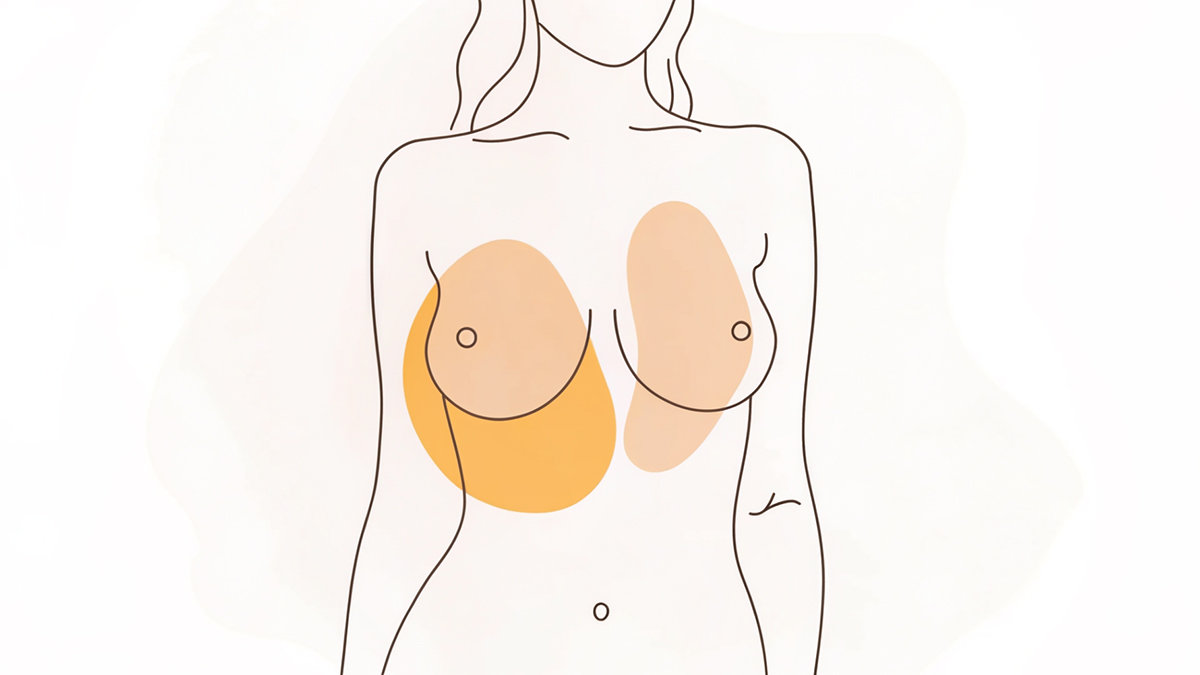
Dr Robert Owen is a Specialist Plastic & Reconstructive Surgeon based in Perth, WA, with extensive experience in complex breast procedures, including explant surgery and revision breast surgery. One of the more nuanced topics in this area is the difference between “en bloc” and “total capsulectomy” techniques – commonly referred to as en bloc vs total capsulectomy, a frequent source of confusion among patients considering implant removal, particularly those concerned about breast implant illness (BII), implant rupture, or past complications.
In this article, Dr Owen provides an evidence-based, medically grounded overview of what these procedures are, when they are used, and what patients can expect from each. His approach is grounded in integrity, patient education, and surgical safety, and this guide is designed to help patients make informed, medically appropriate decisions.
Take Surgery Quiz
What Are En Bloc and Total Capsulectomy?
Before exploring the differences, it’s important to understand the context of these procedures. When breast implants are placed, the body forms a fibrous capsule around them. This capsule is a natural response and is made of scar tissue. Over time, the capsule may remain soft or become thickened or distorted, leading to capsular contracture, rupture, or other symptoms.
Capsulectomy is the general term for surgically removing this capsule. There are three main types:
- Partial Capsulectomy: Only part of the capsule is removed. This may be appropriate when the remaining capsule is thin, asymptomatic, or adherent to vital structures.
- Total Capsulectomy: The entire capsule is removed, but not necessarily in one piece.
- En Bloc Capsulectomy: The implant and surrounding capsule are removed as one intact unit, without opening the capsule or exposing the implant during surgery.
While both total and en bloc capsulectomy involve full capsule removal, the difference lies in how the capsule is removed and whether it remains intact with the implant throughout the procedure.
Why These Techniques Matter
Capsule removal becomes medically relevant in a number of clinical situations. The choice between en bloc and total capsulectomy often depends on the reason for implant removal, anatomical factors, and safety considerations.
Common indications for capsule removal include:
- Suspected implant rupture or leakage
- Capsular contracture (particularly grade III or IV)
- Breast implant illness (BII) symptoms
- Textured implants with concern for BIA-ALCL (Breast Implant-Associated Anaplastic Large Cell Lymphoma)
- Reconstructive revision surgery following cancer or trauma
Patients who suspect systemic symptoms from their implants (commonly grouped under BII) often request en bloc removal. The aim is to prevent implant contents from leaking into the surrounding tissue during surgery. However, this approach is technically demanding with serious risks and may not always be medically necessary or surgically appropriate.
Dr Owen’s Surgical Approach
Dr Owen’s practice is based on patient-centred care, surgical integrity, and clinical realism. He listens carefully to each patient’s concerns and goals, and tailors the procedure accordingly.
“The decision to remove an implant and its capsule is based on multiple clinical factors, not a one-size-fits-all protocol. I aim to remove the capsule completely when indicated, but the method must be guided by safety, anatomy, and what is surgically achievable.“
In situations where en bloc removal is technically possible and medically indicated, Dr Owen will perform it. However, he is clear in consultations that en bloc removal is not always required and can present unnecessary risks in certain cases. He prioritises:
- Full disclosure of what is and isn’t achievable
- Use of pre-operative imaging when needed (such as ultrasound or MRI)
- Discussion of alternatives, including fat grafting or mastopexy if required post-removal
- Collaboration with other healthcare professionals if BIA-ALCL or systemic conditions are suspected
What to Expect from Each Technique
Understanding what each technique involves can help patients make informed decisions and prepare for the realities of surgery and recovery. While both en bloc and total capsulectomy aim to remove the entire capsule, the method and impact on the surgical plan can differ significantly.
– En Bloc Capsulectomy
En bloc capsulectomy involves removing the implant and its surrounding capsule in one single unit, without opening the capsule or separating it from the implant. This approach is sometimes requested by patients who have concerns about implant rupture, leakage, or systemic symptoms associated with breast implant illness (BII). It may also be clinically indicated when there is suspicion of malignancy, such as BIA-ALCL, or in reconstructive cases requiring pathological evaluation of the capsule. To achieve this, the capsule must be carefully dissected away from surrounding tissue, including the chest wall or ribcage in submuscular implants.
Because the technique requires preserving the integrity of the capsule during removal, it often demands longer surgical time, larger incisions, and a more complex dissection. In thin patients or those with significant capsular adherence, en bloc removal can carry increased risk, including bleeding, injury to the chest wall, or prolonged recovery. Dr Owen will only recommend en bloc capsulectomy when it is safe and medically justified. Patients undergoing this technique should be prepared for the possibility of longer scars and more noticeable postoperative swelling or bruising compared to standard capsulectomy.
– Total Capsulectomy
Total capsulectomy refers to the complete removal of the capsule, though not necessarily in one piece or attached to the implant. In most patients, this approach is sufficient to address clinical concerns such as capsular contracture, implant rupture, or systemic symptoms attributed to implants. It allows surgeons greater flexibility to safely remove scar tissue without excessive trauma to surrounding structures. The technique can often be performed through smaller incisions, particularly if the implants were placed above the muscle or if the capsule is thin and pliable.
Total capsulectomy may also offer reduced surgical risks and shorter operating times while still achieving the primary clinical goal: full capsule removal. In many patients, this method leads to fewer complications and an easier recovery. Dr Owen frequently discusses this technique with patients who want the complete removal of implant-related tissue, but where en bloc removal would introduce unnecessary risk. From a histopathological perspective, the capsule can still be analysed even if it is removed in segments, allowing for appropriate follow-up if needed.
Recovery Considerations
The recovery process after either technique generally involves similar timelines, although individual experiences may vary depending on surgical complexity. Patients can expect to wear a surgical bra for approximately six weeks, avoid strenuous activity for at least that duration, and return to light walking after 1–2 weeks. Discomfort is typically managed with a combination of prescription medication and gradual activity modification. Bruising, swelling, and tightness are common in the early weeks, especially in en bloc procedures where the dissection is more extensive.
Dr. Owen ensures each patient receives personalised post-operative instructions and scheduled follow-up appointments. These reviews allow for early detection of any complications, such as seromas or wound healing issues, and provide an opportunity to address aesthetic questions or future treatment options. Whether undergoing total or en bloc capsulectomy, patients are guided with evidence-based care and realistic expectations tailored to their individual situation.
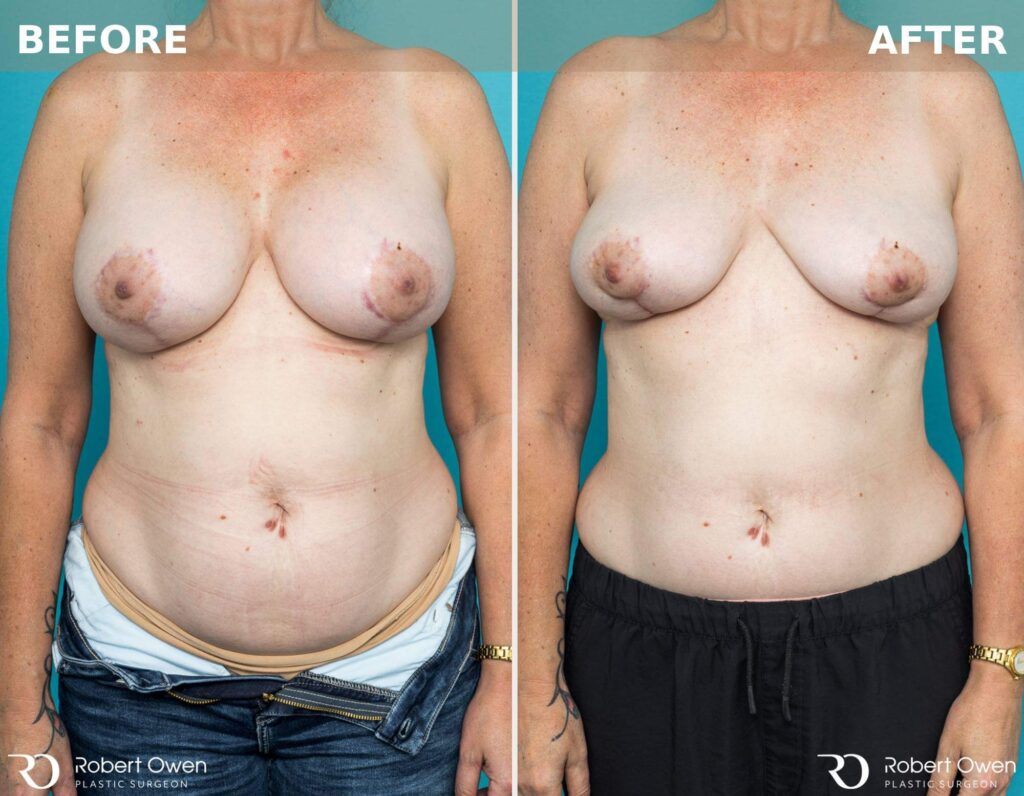
Breast Implant Removal Before and After Photos
Risks and Considerations Regarding En Bloc and Total Capsulectomy
While both total and en bloc capsulectomy are performed regularly, each comes with specific risks. These are discussed thoroughly with patients during consultation.
Risks Include the following:
- Bleeding or haematoma
- Infection
- Seroma (fluid accumulation)
- Injury to surrounding structures (especially the chest wall in en bloc cases)
- Pneumothorax (very rare)
- Persistent discomfort or altered sensation
- Asymmetry or aesthetic dissatisfaction
Dr Owen emphasises that patient safety comes first. In some cases, attempting en bloc removal can increase the risk of injury if the capsule is densely adherent to the chest wall. In these scenarios, a total capsulectomy that leaves a very thin posterior capsule safely in place may be preferable and still clinically effective.
En Bloc and Total Capsulectomy FAQs
Further Reading
- Read more about Breast Implant Replacement Perth
- Read more about Breast Implant Removal Perth
- Read more about What is an Enbloc Removal?
- Read more about What is Capsular Contracture?
- Read more about Do I Have a Ruptured Breast Implant?
- Read more about Options After Removing Breast Implants
Why Choose Dr Robert Owen for Capsulectomy?
Dr Owen is a Specialist Plastic & Reconstructive Surgeon with advanced training in both aesthetic and reconstructive breast surgery. His practice is defined by:
- A focus on integrity, surgical precision, and realistic communication
- Willingness to take time with patients and explore all options
- Transparent, evidence-based decision-making
- Collaborative care with other specialists when needed
He does not make promises about outcomes or push unnecessary procedures. Instead, his goal is to help patients make informed decisions based on their health, goals, and surgical safety.
Dos and Don’ts After Capsulectomy Surgery
✅ Dos
- Do follow all post-operative care instructions provided by Dr Owen and his team
- Do wear your surgical bra or support garment for the recommended period (usually 6 weeks)
- Do attend all follow-up appointments to monitor healing and detect complications early
- Do engage in light activity (e.g., walking) once cleared after the first 1-2 weeks
- Do report any signs of fluid build-up, redness, or discomfort promptly
❌ Don’ts
- Don’t return to strenuous exercise or lifting before 6 weeks
- Don’t smoke or vape, as this impairs healing and increases risk of complications
- Don’t self-diagnose or compare your recovery to others – everyone heals differently
- Don’t apply creams or oils to the incision sites unless approved
- Don’t delay reporting any post-op concerns, no matter how minor they may seem
Considering Your Options – Next Steps
If you’re considering breast implant removal and would like to understand whether en bloc or total capsulectomy is appropriate for you, the next step is a private consultation with Dr Owen. He will take the time to listen to your concerns, examine your clinical background, and recommend a course of action that is both safe and appropriate.
📍 Location: Perth, WA
🌐 Website: www.drrobertowen.com.au
📞 Contact: Clinic phone number and email available online