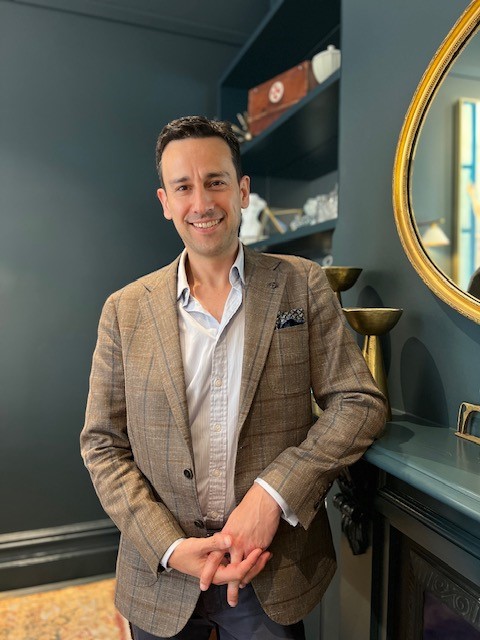
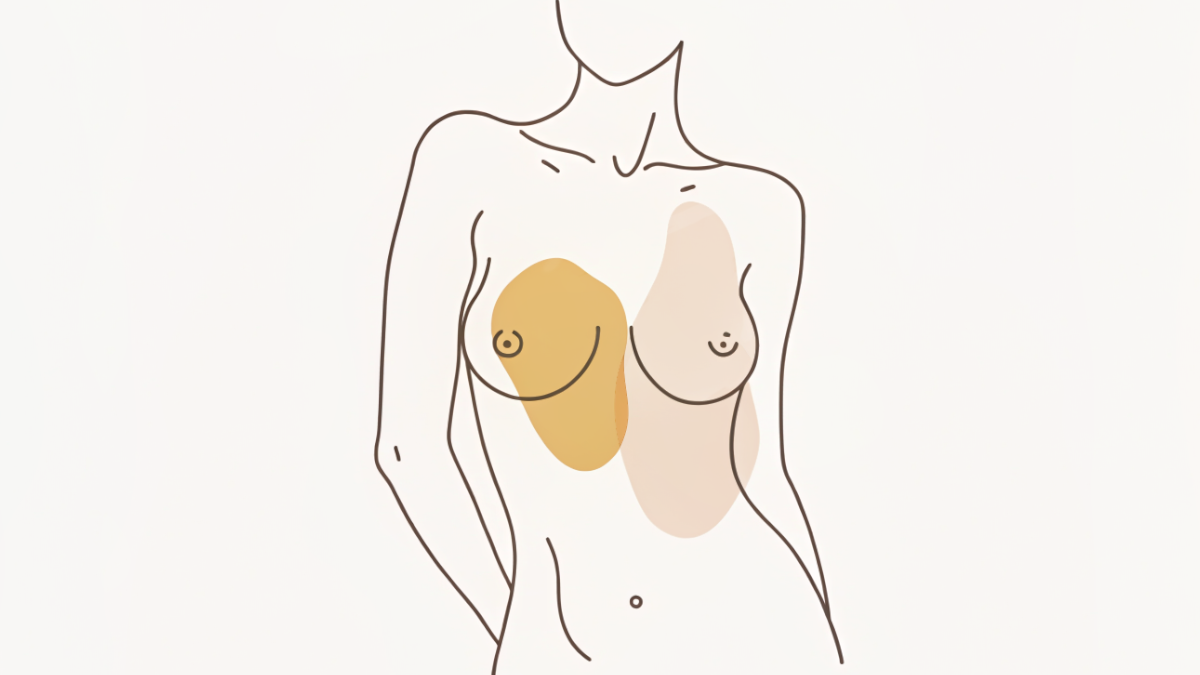
Dr. Robert Owen is a highly qualified Specialist Plastic & Reconstructive Surgeon located in Perth, Western Australia, offering individualised surgical care for patients seeking both aesthetic and reconstructive breast procedures. One condition frequently discussed during consultations involving breast implants is capsular contracture – a relatively common complication that may affect both the feel and appearance of the breast over time.
While the topic can be concerning for patients, it’s important to understand that capsular contracture is a well-recognised and manageable condition when addressed early and professionally. In this comprehensive guide, Dr. Owen outlines what capsular contracture is, who it may affect, how it is prevented and treated, and what to expect during recovery. Whether you’re planning a breast augmentation, considering revision surgery, or seeking clarification after previous procedures, this article is designed to support informed, confident decision-making.
Understanding Capsular Contracture
✓ What Happens After Implant Surgery?
After a breast implant is placed – either for cosmetic enhancement or reconstructive purposes – the body naturally forms a thin layer of scar tissue around it. This process is part of the normal immune response and occurs in everyone, regardless of implant type or placement. The resulting scar tissue forms a “capsule” that helps hold the implant in place.
In most patients, this capsule remains soft, flexible, and imperceptible. It supports the implant without causing symptoms. However, in some cases, the capsule may begin to contract or thicken excessively, leading to a condition known as capsular contracture.
✓ What is Capsular Contracture?
Capsular contracture refers to an abnormal tightening or hardening of the capsule of scar tissue around a breast implant. This can place pressure on the implant, causing it to feel firmer than normal, change position, or appear visibly distorted. In more severe cases, it can result in discomfort or pain, particularly during physical movement or while lying down.
This condition is categorised into four grades based on severity:
- Grade I: The implant is soft and the breast appears normal – no contracture is present.
- Grade II: The breast appears normal but feels slightly firm to the touch.
- Grade III: The breast is firm and appears abnormal in shape or symmetry.
- Grade IV: The breast is hard, visibly distorted, and may cause significant pain.
While Grades I and II may not require intervention, Grades III and IV often prompt surgical review to improve comfort and aesthetic outcome.
When Does It Occur and Who is Affected?
Capsular contracture can develop at any point after implant surgery – sometimes within a few months, but it can also emerge years later. Patients may not notice the early signs, especially in mild cases, but the condition can progress gradually.
Factors that may increase the risk include:
- Bacterial contamination during surgery, even in microscopic amounts
- Haematomas (blood accumulation around the implant) that can irritate surrounding tissue
- Implant rupture or leakage, which can trigger inflammation
- Smoking, which reduces blood flow and tissue healing
- Genetic predisposition, where a patient’s body naturally forms thicker scar tissue
- History of radiation therapy, which affects tissue quality and healing
Both men and women undergoing breast implant surgery can be affected, whether for reconstruction after mastectomy, congenital correction, or cosmetic enhancement.
Recognising the Signs
✓ Changes Patients May Notice
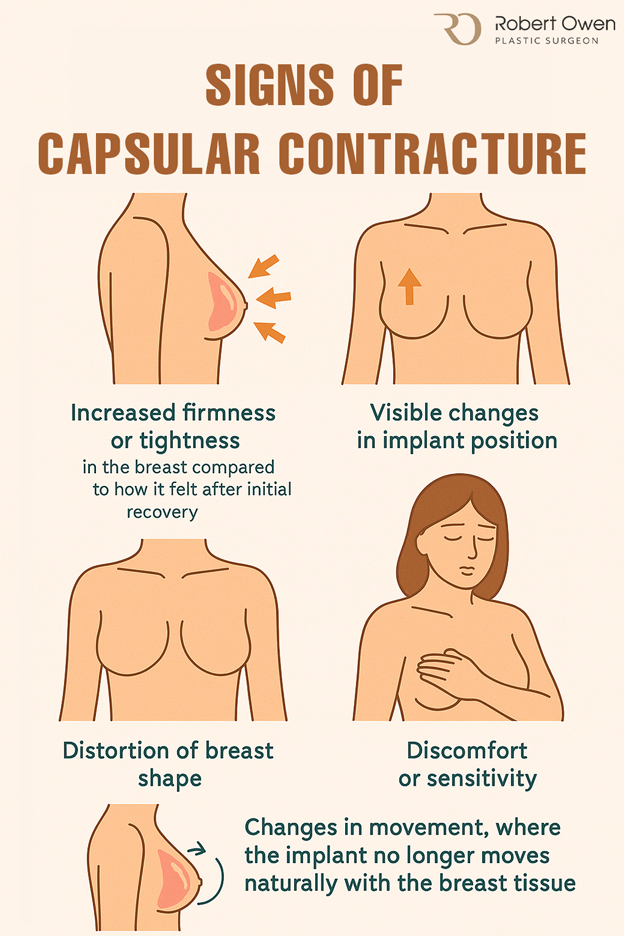
Patients often report one or more of the following:
- Increased firmness or tightness in the breast compared to how it felt after initial recovery. This can affect one or both sides and may progress over time.
- Visible changes in implant position, such as the implant sitting higher than it originally did or moving toward the armpit or midline.
- Distortion of breast shape, such as an overly round upper pole or noticeable asymmetry between the two breasts.
- Discomfort or sensitivity, particularly during certain movements, lying on the chest, or during physical activity.
- Changes in movement, where the implant no longer moves naturally with the breast tissue.
While these symptoms can be subtle at first, early recognition can lead to more effective treatment and better surgical outcomes.
✓ Why Early Evaluation is Important
A timely assessment by a qualified surgeon such as Dr. Robert Owen can prevent the condition from worsening. He performs a detailed clinical evaluation, sometimes supported by imaging studies such as ultrasound or MRI, to assess the extent of contracture, the implant’s position, and its integrity.
Addressing symptoms early not only improves comfort and breast appearance but may also help avoid more complex surgery if the issue is left untreated for too long.
Dr. Robert Owen’s Approach to Minimising Risk
✓ Surgical Precision and Technique
Dr. Owen focuses on precise surgical technique to reduce the risk of post-operative complications, including capsular contracture. This includes:
- Accurate implant pocket dissection, ensuring that the implant sits securely and symmetrically within the tissue, avoiding excess tension on the capsule.
- Careful haemostasis, which limits internal bleeding during surgery. Uncontrolled bleeding can lead to haematoma formation, which increases the likelihood of capsular tightening.
- Pocket stability, where the implant is supported by tissue and remains in the intended position, reducing friction that could lead to inflammation or contracture.
His techniques are refined and tailored to each patient’s anatomy, lifestyle, and long-term surgical goals.
✓ Sterile Techniques and the 14-Point Plan
To reduce bacterial exposure, Dr. Owen implements strict sterility protocols based on the 14-point plan, which is widely used to minimise infection risks associated with implant surgery. These include:
- Using a Keller Funnel or similar device to allow for no-touch implant insertion, reducing contamination from skin contact.
- Betadine and antibiotic irrigation of the implant pocket to eliminate bacteria that might not be visible during surgery.
- Changing gloves and instruments at critical moments during the procedure to maintain aseptic technique.
- Minimising operating time and implant exposure to reduce bacterial contact.
These protocols are supported by medical literature and international guidelines and are part of Dr. Owen’s everyday surgical routine.
✓ Personalised Planning in Perth
At his Perth clinic, Dr. Owen performs detailed preoperative planning. During consultations, he discusses:
- The benefits and limitations of different implant placements, such as subglandular vs. submuscular.
- The choice between textured and smooth implants, depending on patient history, preference, and risk profile.
- Individual anatomical considerations, such as chest width, tissue thickness, and previous surgeries.
By understanding each patient’s body and goals, Dr. Owen is able to plan a procedure that reduces complications while meeting the desired outcome.
Treatment Options When Capsular Contracture Occurs
✓ Assessment and Grading
Dr. Owen begins with a full clinical consultation and may request imaging to assess:
- Implant condition, including rupture or leakage
- Thickness and position of the capsule
- Breast tissue health, particularly in patients with previous radiation or scarring
This comprehensive evaluation helps determine whether observation, nonsurgical treatment, or revision surgery is appropriate.
✓ Surgical Solutions
Surgical Solutions
If revision surgery is required, options may include:
- Capsulectomy: complete removal of the thickened capsule surrounding the implant. This is often performed when contracture is severe or recurrent.
- Capsulotomy: incision into the capsule to release tightness without full removal – generally reserved for milder cases.
- Implant exchange: replacing the implant, especially if the current one is ruptured, aged, or no longer aligned with patient preferences.
- Use of ADM (Acellular Dermal Matrix): in more complex cases, ADM may be used to reinforce the lower breast pole and help prevent future tightening.
Every procedure is performed under general anaesthetic in an accredited hospital, with recovery planning built around the individual’s lifestyle and needs.
✓ Personalised Surgical Planning
Dr. Owen approaches revision surgery with honesty, clinical caution, and empathy. Patients are guided through each step of the process, with clear discussions around:
- Expected outcomes and realistic goals
- Risks and limitations of repeat surgery
- Timing, cost, and aftercare involved
He recognises that revision surgery often requires greater finesse and patient understanding and aims to make the journey as smooth and informed as possible.
Recovery and Aftercare at Dr. Owen’s Perth Clinic
What to Expect After Surgery
Recovery from revision surgery is generally longer than that from primary implant placement but remains manageable for most patients. Typical milestones include:
- Wearing a supportive bra (front-fastening) for 6 weeks to support healing and reduce strain on the surgical site.
- Engaging in gentle walking after 2 weeks, with care to avoid impact or strenuous arm movements.
- Avoiding heavy lifting or upper-body exercises for approximately 6 weeks, to protect the new implant pocket.
- Avoiding breast massage, as this is not required with Dr. Owen’s pocket-stabilising technique.
Pain is usually managed with short-term oral medication, and swelling gradually improves over several weeks.
Dr. Owen’s Ongoing Care Philosophy
At his practice in Perth, WA, Dr. Owen believes in regular and proactive follow-up. After surgery, patients receive:
- Scheduled reviews to monitor healing and implant positioning
- Open access to his team for any concerns that arise
- Long-term follow-up plans where needed for complex or reconstructive cases
He values long-term patient relationships and ensures that no concern is left unaddressed.
Supporting Patients Through the Journey
Education and Honest Dialogue
Dr. Robert Owen places strong emphasis on clear, honest, and respectful communication. During your consultation, you can expect:
- A non-rushed environment where questions are encouraged
- Balanced explanations of surgical options and risks
- Transparency about what surgery can and cannot achieve
He avoids making exaggerated claims and prioritises safe, achievable outcomes over idealised results. His philosophy is grounded in professionalism, informed consent, and ethical medical practice.
Why Patients in Perth Choose Dr. Robert Owen
Patients across Perth and regional Western Australia choose Dr. Owen for:
- His dual focus on reconstructive and aesthetic plastic surgery, offering advanced care across a wide range of procedures
- His collaborative, multidisciplinary approach, working with other specialists when required
- His focus on individualised treatment planning that aligns with each patient’s health, goals, and lifestyle
- His commitment to safety, education, and long-term care, not just short-term results
His reputation as a Specialist Plastic & Reconstructive Surgeon reflects his dedication to the surgical craft and to the people he serves.
FAQs About Capsular Contracture
Considering a Consultation with Dr. Robert Owen?
If you have concerns about capsular contracture, are planning breast implant surgery, or are considering a revision procedure, Dr. Robert Owen welcomes you to schedule a confidential, personalised consultation at his Perth-based clinic.
His approach is built on education, individualised planning, and surgical experience. You’ll have the opportunity to discuss your goals in detail and receive guidance tailored to your unique situation.
To book an appointment or learn more, contact the clinic directly.
Further Reading
- Read more about Dr Robert Owen’s Procedure Page on Breast Implant Removal Perth
- Read more about Dr Robert Owen’s Procedure Page on Breast Implant Replacement Perth
- Read more about Dr Robert Owen’s Procedure Page on Breast Lift with Implants (Mastopexy Augmentation)