Diastasis recti is a condition that can impact both women and men – most commonly following pregnancy or significant weight fluctuation. Despite its prevalence, it often goes undiagnosed or mischaracterised as a purely cosmetic issue. In reality, diastasis recti can contribute to discomfort, weakness, and functional limitations in daily life.
Dr. Robert Owen, a Specialist Plastic & Reconstructive Surgeon in Perth, WA, frequently treats patients who are seeking clarity on abdominal separation and whether surgical treatment is appropriate. With a commitment to evidence-based care, Dr. Owen provides thoughtful, ethical guidance tailored to each individual.
Understanding Diastasis Recti
✓ What is Diastasis Recti?
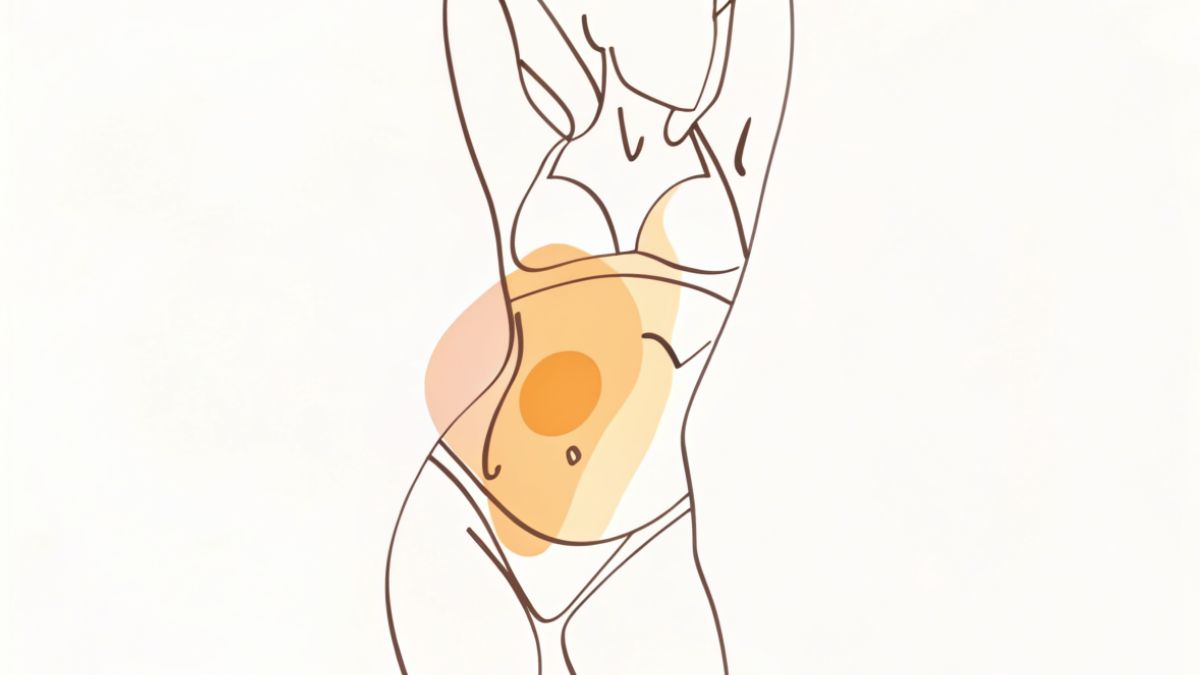
Diastasis recti is defined as the separation of the rectus abdominis muscles – commonly known as the “six-pack” muscles. These muscles are joined at the midline by a connective tissue band called the linea alba, which can stretch or thin under prolonged pressure. When this occurs, a noticeable gap forms between the muscles, reducing the tension and support across the abdominal wall.
This separation often presents as a visible ridge, particularly noticeable when sitting up from a lying position. The condition can result in compromised core function, postural instability, and in some cases, abdominal discomfort or poor muscle engagement during exercise.
✓ What Causes It?
There are multiple factors that contribute to diastasis recti, each of which affects the structural integrity of the abdominal wall differently:
Pregnancy: The most common cause of diastasis recti. As the uterus expands, the abdominal wall must stretch to accommodate the growing baby. This stretching can lead to thinning and separation of the linea alba, especially in the third trimester. The likelihood increases with multiple pregnancies, short intervals between pregnancies, or carrying large babies or twins.
Significant weight gain or loss: When the abdominal area undergoes substantial expansion – either due to fat accumulation or internal pressure – the fascia can become overstretched. Even after weight loss, the tissue may not return to its original tension, leading to persistent separation.
Previous abdominal surgery: Surgical procedures involving incisions along the midline, or those that alter the muscular and fascial support structures of the abdomen, can weaken the tissue. Scar formation and healing tension may contribute to asymmetrical or incomplete recovery of abdominal wall integrity.
Genetic factors: Some individuals naturally have a more elastic or weaker fascia. This predisposition means the connective tissue is more likely to stretch and separate under mechanical stress.
Chronic strain: Engaging in heavy lifting, incorrect core exercises, or frequent coughing (as seen in chronic respiratory conditions) can increase intra-abdominal pressure over time. This constant pressure can stretch the linea alba and contribute to long-term weakness.
✓ Who May Be Affected?
Diastasis recti is not exclusive to mothers. While postpartum women represent the largest group affected, others may also experience abdominal separation due to different underlying reasons.
New mothers – particularly those who have had multiple or close-spaced pregnancies – often experience the greatest abdominal wall stress. This can leave them with a gap between the rectus muscles that persists long after childbirth.
Men, especially those with central obesity or those who engage in activities causing repeated abdominal strain (such as heavy weightlifting or manual labour), can also develop diastasis recti. It may present more subtly in males but still result in core weakness and discomfort.
Patients after significant weight loss, including those who have undergone bariatric surgery, may find that the abdominal wall does not tighten naturally, leading to muscle separation and redundant skin. In these cases, abdominal contouring combined with muscle repair may be beneficial.
Individuals with prior abdominal surgery or a predisposition to tissue laxity may also be at higher risk. The condition is sometimes detected during investigations for unrelated concerns, such as hernia evaluations or general abdominal discomfort.
When Should You Seek Specialist Advice?
✓ Signs and Symptoms That May Warrant Evaluation
If you’re noticing changes in your abdominal appearance or function that aren’t improving, it’s worth consulting a specialist like Dr. Robert Owen. Common signs include:
- A visible ridge or bulge that appears down the centre of the abdomen when activating the core muscles, such as when getting out of bed or performing a sit-up. This bulge may flatten when lying down but reappear with movement.
- Persistent core weakness, where daily tasks like lifting, bending, or even standing for long periods feel difficult. Many patients describe a sensation of internal instability or “softness” through the midsection.
- Lower back pain caused by poor postural support. The abdominal wall is integral to spinal stability. When it is compromised, back muscles often compensate, leading to strain and discomfort.
- Pelvic floor dysfunction or pressure symptoms, including incontinence or heaviness in the pelvic region. Though not directly caused by diastasis recti, these symptoms can be related to core weakening.
✓ Functional vs. Aesthetic Concerns
Some individuals are motivated to seek help due to the abdominal bulge or loose skin. While appearance is a valid concern, Dr. Owen emphasises the functional importance of diastasis recti repair when it affects a patient’s ability to move comfortably or live without discomfort.
In these cases, treatment can help restore muscular control, posture, and physical wellbeing – particularly when non-surgical options have been exhausted.
✓ Role of a Specialist Plastic & Reconstructive Surgeon
An accurate diagnosis and tailored surgical plan require the experience of a Specialist Plastic & Reconstructive Surgeon like Dr. Robert Owen. His approach includes:
- In-depth physical assessment to quantify the separation and associated skin or fat concerns.
- Holistic evaluation to identify whether non-surgical therapies have been trialled.
- Evidence-based recommendations based on anatomical need, not aesthetic trends.
In complex cases, Dr. Owen may work alongside Perth-based physiotherapists, GPs, or bariatric teams to ensure comprehensive care.
Dr. Robert Owen’s Surgical Approach
✓ Individualised Assessment and Surgical Planning
Every patient is different. During your consultation, Dr. Owen will assess the specific degree of rectus muscle separation, the quality of your connective tissue, the presence of any hernias, and whether skin or fat excess is contributing to your symptoms.
He will also explore your goals – whether they relate to function, clothing fit, physical comfort, or a combination of these. You’ll receive honest guidance on what surgery can and cannot achieve, and whether you are likely to benefit from an operation based on your health profile and history.
✓ Surgical Repair Overview
Diastasis recti repair is typically performed under general anaesthetic. The process involves:
- A horizontal incision along the lower abdomen (typically placed in the same position as a caesarean section scar). This allows discreet access while preserving skin appearance.
- Tightening the abdominal wall using internal permanent or long-lasting sutures. These are placed to approximate the separated rectus muscles and restore midline tension.
- Excision of redundant skin and soft tissue, particularly for patients with overhanging or stretched abdominal skin following pregnancy or weight loss.
- Repositioning of the belly button, where needed, to preserve a natural appearance on the newly tightened abdominal wall.
If indicated, liposuction may be performed on the flanks or upper abdomen to improve contour and smoothness.
✓ What Sets Dr. Owen Apart
Dr. Owen’s approach prioritises function, stability, and long-term outcomes. His technique:
- Focuses on internal reinforcement rather than superficial improvement
- Emphasises patient education and informed consent
- Is rooted in medical necessity, not cosmetic enhancement alone
He uses techniques refined through reconstructive training and is known throughout Perth, WA for his calm, collaborative approach.
What to Expect: Before, During, and After Surgery
✓ Preparing for Surgery
Dr. Owen will guide you through a comprehensive preoperative assessment. This includes:
- Reviewing your medical history, current medications, and lifestyle factors such as smoking
- Ensuring you are at a stable weight and have trialled physiotherapy where appropriate
- Providing realistic expectations and answering any questions you may have
You’ll also receive written information, support from his nursing team, and clear preparation instructions.
✓ During Surgery
Surgery typically lasts 2–4 hours depending on complexity. Dr. Owen:
- Uses precise dissection techniques to reduce trauma and bleeding
- Employs drains, when needed, to manage fluid buildup
- Utilises compression garments fitted at the time of surgery to aid recovery
✓ Recovery and Aftercare
Post-operative care is a crucial part of healing:
- First 2 weeks: Rest and short walks to support circulation. No lifting, straining, or abdominal use.
- Weeks 3–6: Gradual increase in activity, but strenuous exercise remains restricted.
- After 6 weeks: Most patients may resume full physical activity, including light core work, following clearance from Dr. Owen.
Dr. Owen provides regular follow-up appointments, wound checks, scar management advice, and ongoing support tailored to your recovery pace.
Is Surgery Always Necessary?
In short, no. Dr. Owen frequently sees patients who achieve improvement through physiotherapy, Pilates, or core rehabilitation alone – particularly when the separation is mild and not associated with skin excess or hernias.
Surgery is only recommended when:
- The gap is significant (often >3cm)
- Conservative management has not improved symptoms
- There is associated discomfort, weakness, or cosmetic impact affecting quality of life
Dr. Owen’s guiding principle is to do what’s best for each individual – not every diastasis recti requires surgery.
Considerations and Risk Awareness
All surgical procedures carry risk, and informed consent is a critical part of Dr. Owen’s process.
Risks include:
- Bleeding or infection
- Seroma formation, which may require drainage
- Scarring, which can vary depending on individual healing tendencies
- Numbness or altered sensation, particularly around the incision
- Recurrence of separation if tissues are re-stressed too early
To minimise these risks, Dr. Owen follows strict surgical protocols, utilises compression garments, and ensures patients are physically and medically prepared.
FAQs About Diastasis Recti
A Commitment to Ethical, Patient-Centred Care
As a Specialist Plastic & Reconstructive Surgeon in Perth, WA, Dr. Robert Owen approaches every case with honesty, precision, and empathy. His consultations are rooted in education – not persuasion – ensuring that patients fully understand their condition and all treatment options.
Dr. Owen believes that surgery should only be performed when it offers meaningful benefit, and his reputation reflects a commitment to clinical excellence, clear communication, and long-term support.
Next Steps
If you’re living with diastasis recti and want a professional, medically guided opinion, consider a private consultation with Dr. Robert Owen. Contact the practice directly or book online to schedule your consultation.
Whether you’re exploring surgical options or want to better understand your abdominal health, Dr. Owen is here to provide comprehensive, ethical, and evidence-based care.
Further Reading about Diastasis Recti
- Read more about Dr Robert Owen’s Procedure Page on Plastic Surgery for Mums in Perth
- Read more about Dr Robert Owen’s Procedure Page on Body Surgery Perth