Pregnancy changes the human body in profound ways. One of the most common physical concerns following childbirth is the development of split abdominal muscles, known medically as diastasis recti. For some people, this condition can lead to lasting functional problems that go beyond the surface.
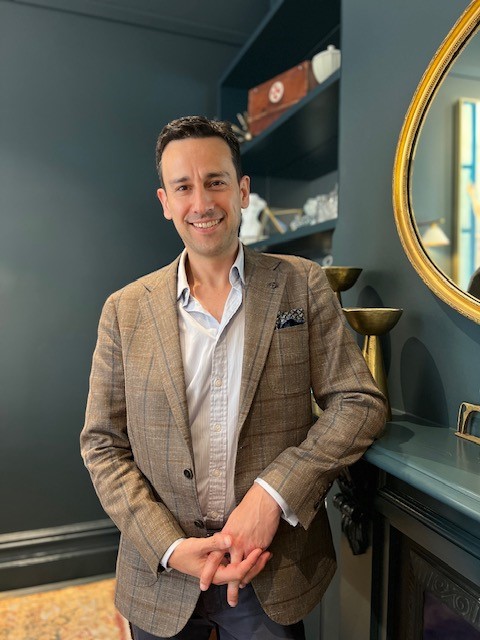
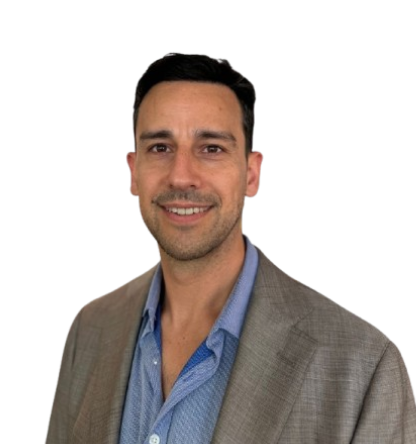
Dr. Robert Owen, a Specialist Plastic & Reconstructive Surgeon in Perth, WA, offers medically appropriate surgical repair of the abdominal muscles for individuals experiencing persistent diastasis recti. With a focus on individualised care, clear communication, and functional outcomes, Dr. Owen helps patients explore whether surgery is a suitable next step based on their unique anatomy, health, and goals.
Understanding Split Abdominal Muscles After Pregnancy
✓ What is Diastasis Recti?
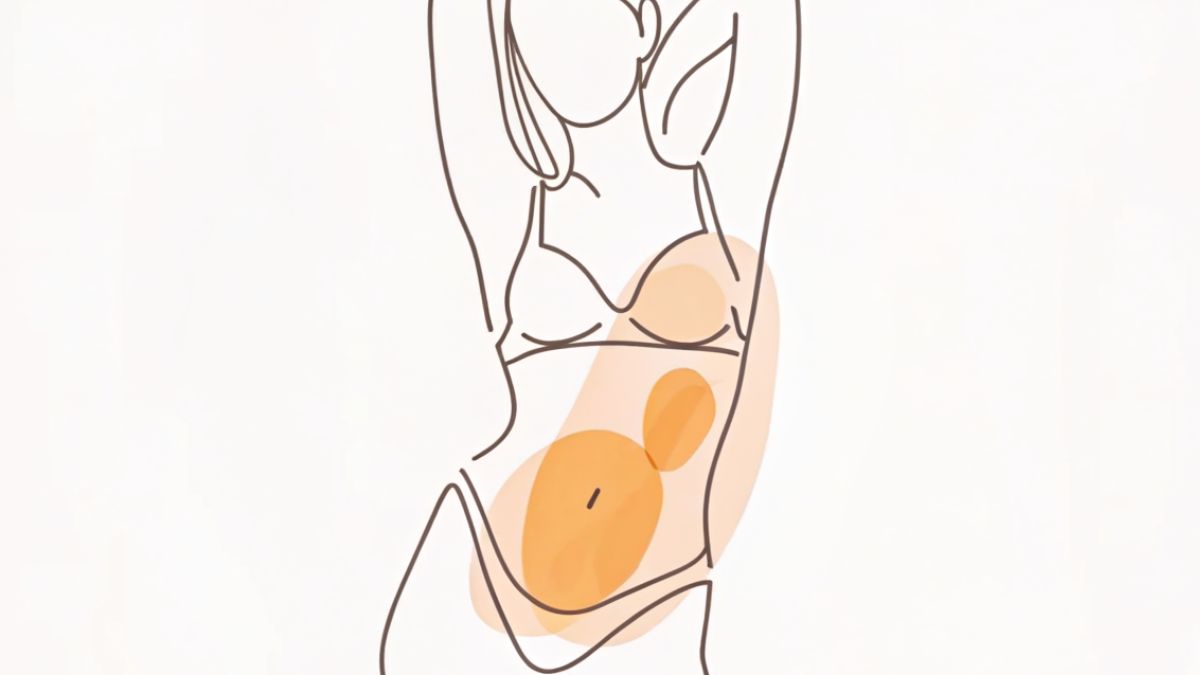
Diastasis recti refers to a separation between the two rectus abdominis muscles – commonly known as the “six-pack” muscles – that run vertically down the front of the abdomen. During pregnancy, as the uterus expands, the connective tissue between these muscles (called the linea alba) can stretch and thin out to accommodate the growing baby. Hormonal changes such as increased relaxin levels may also contribute to the weakening of this midline tissue.
In many cases, this separation may improve naturally in the months following childbirth. However, for some individuals, the gap remains wider than normal, leading to visible and functional concerns. This condition is not limited to those who’ve had large babies or multiple pregnancies – it can also occur in first-time parents or after caesarean deliveries.
Typical signs and symptoms of diastasis recti include:
- A visible or noticeable bulge or ridge along the midline of the abdomen, particularly when engaging the core muscles (e.g., during sit-ups or when rising from a chair).
- Weakness in the abdominal wall, making it harder to maintain posture or perform daily tasks that involve lifting or bending.
- A feeling of instability or lack of support in the midsection, often described as “soft” or “unsupported” abdominal muscles.
- Lower back pain or pelvic discomfort, which may arise due to compensatory strain on other muscle groups.
- Postural changes or spinal misalignment, as the core muscles no longer offer the same level of support.
Although often associated with the postpartum period, diastasis recti can also affect individuals who have undergone significant weight gain or loss, or those with chronic straining due to lifting, coughing, or abdominal surgery.
✓ Who Might Consider Surgery?
Surgical repair of split abdominal muscles is not appropriate for everyone. Many individuals respond well to physiotherapy focused on deep core activation, posture, and breath control. However, surgery may be considered when:
- The abdominal separation is persistent and wider than 2–3 cm, even after a dedicated period of conservative management such as pelvic floor and core physiotherapy.
- Patients experience daily functional limitations, including difficulty lifting, standing for long periods, exercising, or caring for children, due to poor core strength or instability.
- There is a visible abdominal bulge that does not improve with exercise and is accompanied by weakness or discomfort.
- Associated skin laxity or hernias complicate the condition and impact physical well-being.
- The individual is not planning any future pregnancies, as subsequent pregnancies can reverse the repair.
At his Perth clinic, Dr. Robert Owen conducts a thorough evaluation to determine whether surgical repair may offer measurable improvements in strength, function, and comfort. His decision-making process always centres on patient safety, clinical evidence, and patient-informed choice.
Dr. Robert Owen’s Individualised Surgical Approach
✓ Consultation and Assessment
Dr. Owen begins every surgical journey with a personalised, in-depth consultation. He takes the time to understand your full medical history, previous pregnancies or surgeries, current symptoms, and any goals or expectations you may have. His approach is calm, thorough, and patient-focused.
During the consultation at his Perth clinic, Dr. Owen will:
- Conduct a detailed physical assessment, including examination of your abdominal muscles, skin quality, and any areas of fat accumulation or weakness.
- Discuss your symptoms in practical terms, such as how diastasis affects your posture, mobility, or ability to perform certain physical tasks.
- Review your general health to ensure you are medically fit for surgery, which may include discussions about weight stability, previous surgical outcomes, or chronic health conditions.
- Explore your preferences and lifestyle factors, including your plans for future pregnancies, work duties, and fitness routines.
- Explain all surgical and non-surgical options, ensuring that you have a clear understanding of the available treatments and what they can – and cannot – achieve.
This personalised process helps ensure the surgical plan reflects your anatomy, goals, and realistic expectations.
✓ Surgical Philosophy
Dr. Owen’s philosophy is built on a foundation of evidence-based practice, clinical integrity, and a reconstructive mindset. As a Specialist Plastic & Reconstructive Surgeon, he believes in restoring form and function in equal measure.
His surgical philosophy includes:
- Restoring abdominal wall integrity by re-approximating the separated rectus muscles and reinforcing the midline with long-lasting sutures, which helps support core function long-term.
- Designing the procedure to be as minimally traumatic as possible, while still achieving comprehensive repair of all affected tissues.
- Evaluating whether skin redundancy, fat distribution, or hernias are present, and whether addressing these in the same procedure would provide meaningful functional benefit.
- Communicating openly with patients about expected outcomes, limitations, and the normal variation in recovery timelines.
- Collaborating with allied health providers, such as physiotherapists and general practitioners, especially when ongoing rehabilitation or pre-operative strengthening will support the result.
This considered, multidisciplinary approach ensures that each patient receives care that is appropriate for their clinical needs – not just their visual concerns.
The Procedure: What to Expect Surgery for Split Muscle Repair
✓ Preparing for Surgery
Surgical preparation begins well before the procedure date. At this stage, Dr. Owen ensures that each patient is informed, medically prepared, and aware of the process ahead.
Key aspects of preparation include:
- A second pre-operative consultation, where Dr. Owen will confirm your goals, re-assess your anatomy, and finalise your surgical plan.
- Written and verbal education materials, including instructions on fasting, medications, wound care, garment use, and follow-up timing.
- Medical clearance or additional investigations, if required, particularly for patients with complex medical histories or prior surgeries.
- Cessation of smoking, vaping, or nicotine products at least three months pre-operatively, to reduce risk of complications and optimise healing.
Patients are also advised to arrange for help at home following surgery, especially for childcare, household tasks, and transport.
✓ Surgical Technique
The procedure is typically performed under general anaesthesia in a fully accredited private hospital in Perth.
Dr. Owen’s surgical technique generally includes:
- A low horizontal incision, commonly placed along the bikini line to allow discreet scar placement and adequate access to the abdominal wall.
- Careful dissection of the skin and fat layer, allowing the rectus muscles beneath to be visualised.
- Precise suturing of the rectus muscles, bringing them together along the midline using permanent or slowly dissolving sutures in multiple layers.
- Reinforcement of the repair, particularly in individuals with significant muscle laxity or previous surgical weakness. Mesh may be used in specific cases.
- Optional removal of excess skin or fat, if these contribute to discomfort or functional impairment. Liposuction may be incorporated where appropriate.
- Drain placement, particularly in areas of significant dissection, to reduce fluid accumulation and promote healing.
The focus is on achieving long-term support and addressing functional strength, rather than creating dramatic cosmetic change. All surgical steps are performed with attention to sterility, anatomy, and post-operative recovery.
✓ Recovery and Follow-Up
Recovery is gradual and carefully monitored. While each person heals at a different pace, general milestones include:
- Hospital stay of 1–2 nights, with support from nursing staff, pain management, and early mobilisation.
- Use of a post-operative support garment, which is worn continuously for approximately six weeks to reduce swelling and support the repair.
- Light walking encouraged after 1–2 weeks, once the wounds have begun healing, to promote circulation and prevent complications such as blood clots.
- Avoidance of lifting, twisting, or strenuous exercise for 6 weeks, allowing the muscle repair to stabilise.
- Ongoing review appointments with Dr. Owen in Perth, where progress is assessed and further recovery advice is provided.
Patients are given clear, step-by-step aftercare instructions, and are welcome to contact the clinic with any concerns throughout their recovery.
Risks and Important Considerations of Surgery for Split Muscle Repair
Like any surgical procedure, muscle repair surgery carries potential risks, which are carefully discussed before proceeding.
These may include:
- Seroma (fluid collection), which may require drainage or compression therapy.
- Infection or delayed wound healing, especially in patients with prior abdominal surgery or underlying health conditions.
- Changes in skin sensation, such as numbness near the incision site or abdominal wall.
- Scarring, which varies depending on skin type, genetics, and post-operative care.
- Recurrence of muscle separation, although uncommon, especially if patients return to heavy lifting or core strain too soon.
- Need for revision surgery, in rare cases where the initial repair does not meet functional goals.
Dr. Owen takes a proactive approach to risk mitigation through surgical precision, pre-operative planning, and patient education. He encourages all patients to understand both the benefits and limitations of the procedure before proceeding.
FAQs About Surgery for Abdominal Split Muscle Repair
Why Choose Dr. Robert Owen in Perth?
Choosing to undergo any surgery is a significant decision. Dr. Robert Owen offers the training, experience, and patient-centred approach that help guide individuals through the process with care and confidence.
Reasons patients in Perth and across Western Australia choose Dr. Owen include:
- Specialist qualifications in Plastic and Reconstructive Surgery, with experience in abdominal wall surgery, post-pregnancy body changes, and complex cases.
- A calm, respectful consultation style, where patient goals and preferences are heard and valued.
- Clinical integrity, with a commitment to honest discussions, realistic outcomes, and appropriate patient selection.
- A multidisciplinary mindset, including willingness to coordinate with physiotherapists, general practitioners, and other specialists when needed.
- A supportive clinic environment, where patients receive care from a small, dedicated team with high standards of communication and professionalism.
Dr. Owen is dedicated to delivering functional adjustments tailored to each patient’s individual concerns—not promises of perfection or aesthetic ideals.
Next Steps: Book a Consultation
If you are experiencing persistent symptoms from split abdominal muscles after pregnancy and would like to explore whether muscle repair surgery is appropriate for you, we invite you to schedule a private consultation with Dr. Robert Owen.
At his Perth-based clinic, Dr. Owen will listen to your concerns, assess your anatomy, and guide you through the available options with professionalism and transparency.
To book an appointment or learn more about the procedure, clinic location, or the care journey ahead, you may contact us at 08 9286 1690
Further Reading about Split Abdominal Muscle Repair
- Read more about Dr Robert Owen’s Procedure Page on Plastic Surgery for Mums in Perth
- Read more about Dr Robert Owen’s Procedure Page on Thigh Lift Perth
- Read more about Dr Robert Owen’s Procedure Page on Body Surgery Perth
- Read more about Dr Robert Owen’s Procedure Page on What is Diastasis Recti?