Dr Robert Owen is a Specialist Plastic & Reconstructive Surgeon in Perth, WA, with a strong focus on breast surgery, including implant removal and natural reshaping techniques. One of the most common questions asked by women considering explant surgery is: “Will my breasts sag after the implants are taken out?” It’s a valid concern, especially for those who have had implants for many years or have noticed changes in skin quality and breast shape.
The reality is that every patient is different. Sagging after explantation depends on a number of factors, including anatomy, skin elasticity, implant size, and personal goals. In this article, Dr Owen provides medically sound answers to help patients understand what to expect after implant removal and what options exist to restore shape and balance without reinserting implants.
What Happens to Breast Tissue After Implant Removal?
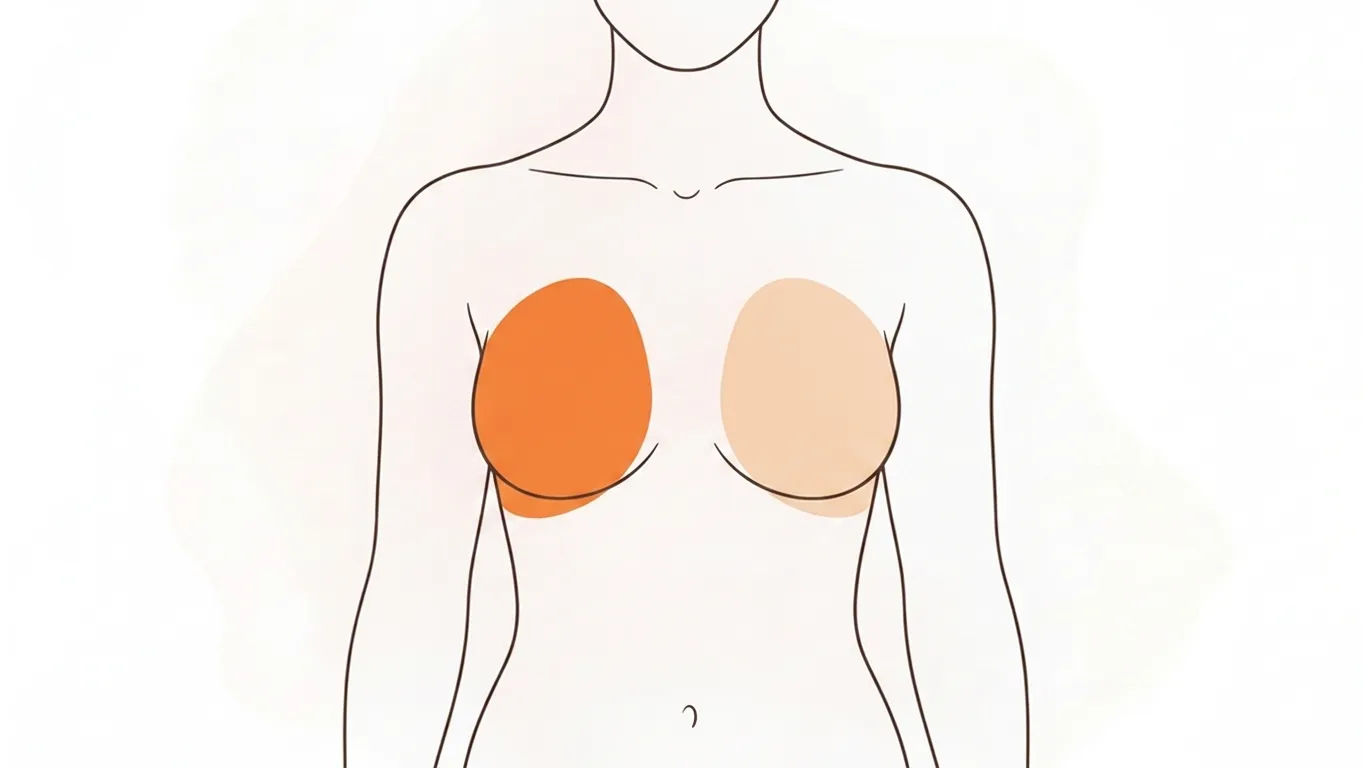
Breast implants add both volume and structural support to the breast. Over time, especially with larger implants or long-term use, they can stretch the overlying skin and thin the natural breast tissue. When implants are removed, that volume is suddenly gone, and the skin and soft tissue may not be able to recoil completely, depending on the individual.
For some patients, this means the breast may appear deflated or have a “sagging” appearance. Nipple position can also drop due to the loss of underlying support. However, not everyone experiences these changes to the same extent, and several factors play a role in determining how the breast will look after surgery.
Who Is More Likely to Experience Sagging After Explant Surgery?
Certain anatomical and lifestyle factors make some individuals more prone to post-explant sagging. Women with large or heavy implants are more likely to have experienced skin and tissue stretching over time. Likewise, those who had minimal natural breast volume before augmentation may see more obvious changes in shape and contour.
Patients with implants that have been in place for more than 10 years may also be more susceptible to skin laxity, as well as those who have undergone pregnancies, experienced weight fluctuations, or have naturally thinner skin. Ageing, smoking, and genetics all influence how well the skin responds once the implants are removed. Dr Owen evaluates all of these elements during a detailed consultation to help patients anticipate what kind of outcome they can expect.
Can Anything Be Done to Prevent or Correct Sagging After Explant?
Yes. While some patients may experience minimal sagging and require no further treatment, others benefit from procedures designed to restore a natural, lifted appearance. These options can be performed at the same time as implant removal or in a staged fashion, depending on the patient’s anatomy, healing ability, and preferences.
Dr Owen offers a range of tailored procedures that aim to reshape the breast using the patient’s own tissue. Pre-operative planning, including imaging and examination, helps identify the most appropriate surgical technique. Supportive bras and skin care can also improve post-surgical outcomes and are part of the comprehensive aftercare Dr Owen provides.
Take Surgery Quiz
Common Surgical Options to Address Sagging
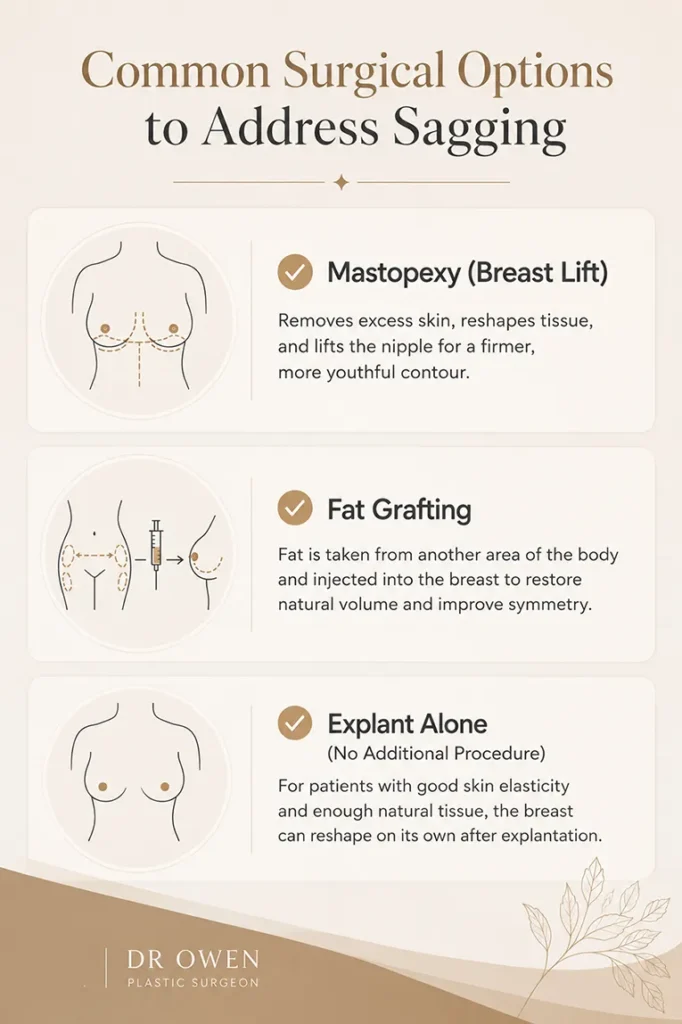
✓ Mastopexy (Breast Lift)
A mastopexy, commonly known as a breast lift, is one of the most effective procedures for addressing sagging after explant surgery. This procedure involves removing excess skin, reshaping the existing breast tissue, and repositioning the nipple to a higher, more natural location on the breast mound. It does not add volume but improves projection, firmness, and symmetry.
Dr Owen tailors the type of lift based on the degree of ptosis (droop) and the patient’s goals. Options include periareolar, vertical, or anchor-style incisions, depending on how much reshaping is needed. A breast lift may change breast position and contour after implant removal. The extent of change varies according to anatomy, skin quality and the surgical approach.
✓ Fat Grafting
Autologous fat grafting is a natural way to restore volume and contour after explantation. This technique involves harvesting fat from another part of the body (such as the abdomen or thighs) via liposuction, processing it, and carefully injecting it into the breast. Fat grafting is particularly helpful in restoring fullness to the upper pole of the breast and correcting asymmetries.
While it doesn’t create the same projection as an implant, fat grafting can offer subtle, soft volume that integrates naturally with the existing tissue. Multiple sessions may be required to achieve the desired results, as some of the grafted fat will be reabsorbed. Dr Owen uses meticulous techniques to maximise fat survival and achieve predictable, long-lasting outcomes.
✓ Explant Alone (No Additional Procedure)
In some cases, patients may not need a lift or volume replacement. If the patient has good skin elasticity, a smaller implant, or adequate natural tissue, the breast may reshape on its own over time after explantation. For these individuals, explant-only surgery can result in a soft, natural-looking breast with minimal intervention.
Dr Owen carefully assesses each patient’s tissue quality and aesthetic goals to determine if explantation alone is a viable option. Some patients prefer to wait several months after explant to see how their tissue adjusts before deciding on any additional procedures. This “wait-and-see” approach allows for more informed planning and reduces unnecessary intervention.
Breast Implant Removal Before and After Photos
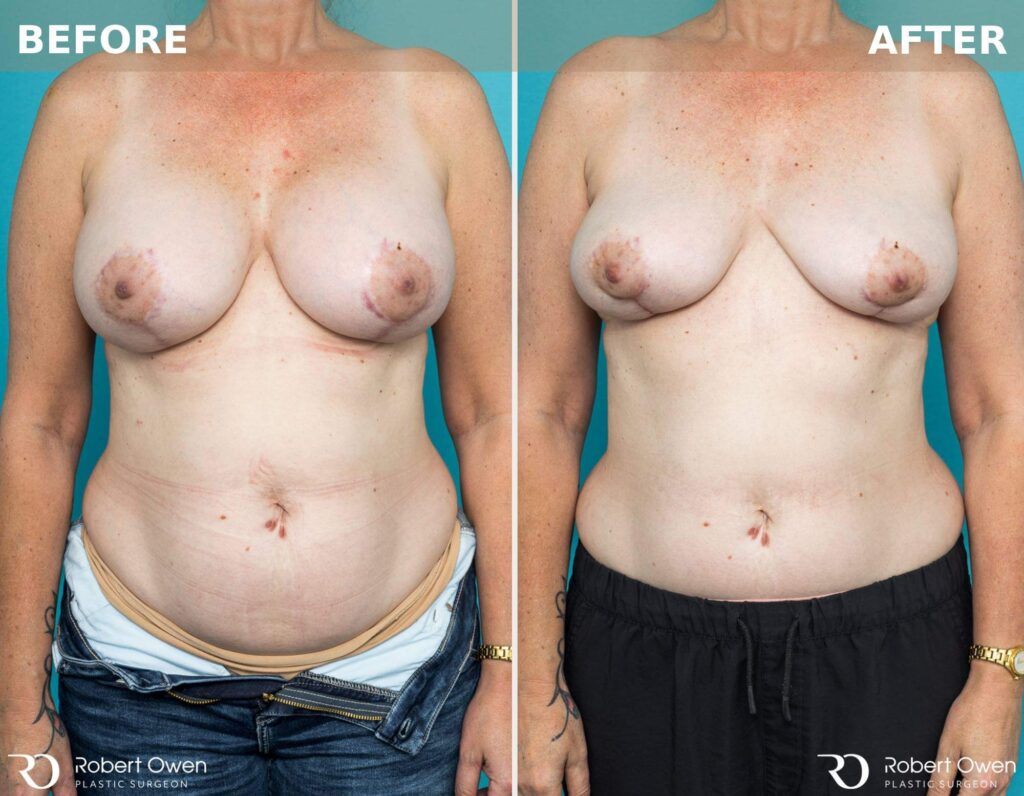
Dr Owen’s Approach to Post-Explant Planning
Dr Owen believes in patient-centred surgical planning that respects the individual’s goals, anatomy, and expectations. During your consultation, he conducts a thorough evaluation of your breast tissue, skin tone, implant history, and previous surgeries to determine the most appropriate course of action.
He offers visual tools such as clinical photography and, where appropriate, 3D simulations to help patients understand potential outcomes. Discussions are open and honest, with no pressure to choose procedures that are not medically or aesthetically necessary. Scarring, healing timelines, and realistic results are all part of the comprehensive education process Dr Owen provides.
What If I Don’t Want a Lift?
Not every patient wants – or needs – a breast lift after implant removal. In mild cases of sagging, the breast may retain a pleasing shape without additional intervention. For those with moderate skin laxity, the trade-off between improved contour and the scars associated with a lift must be weighed carefully.
Dr Owen often discusses the possibility of a staged approach, where patients undergo explantation first and reassess the need for a lift several months later. This allows time for natural tissue contraction and for the patient to evaluate how they feel about the new shape. If a lift is needed later, it can be performed with greater precision once tissues have stabilised.
Recovery and What to Expect Over Time
The healing process varies depending on whether additional procedures like mastopexy or fat grafting are performed alongside explantation. Most patients can expect initial swelling and changes in breast shape during the first few weeks. Over the following months, the skin and soft tissues continue to adjust, revealing a more final result.
For patients undergoing a lift, scars typically fade over time and can be managed with topical treatments. Support garments are recommended for at least six weeks post-operatively to help the tissues settle properly. In fat grafting cases, about 30 – 50% of the transferred fat is expected to be retained long term, with any further sessions spaced at least three months apart.
Explant Surgery Management FAQs
Why Choose Dr Robert Owen for Explant Surgery?
Dr Owen is a highly experienced Specialist Plastic & Reconstructive Surgeon with a thoughtful, measured approach to explant and breast reshaping surgery. He believes in helping patients understand all available options without pressure or unrealistic expectations.
Whether you are seeking a return to natural breast shape, interested in fat grafting, or want to discuss mastopexy, Dr Owen will guide you with medical honesty and technical skill. His care model emphasises safety, clarity, and individualised outcomes – not surgical trends or aesthetic hype.
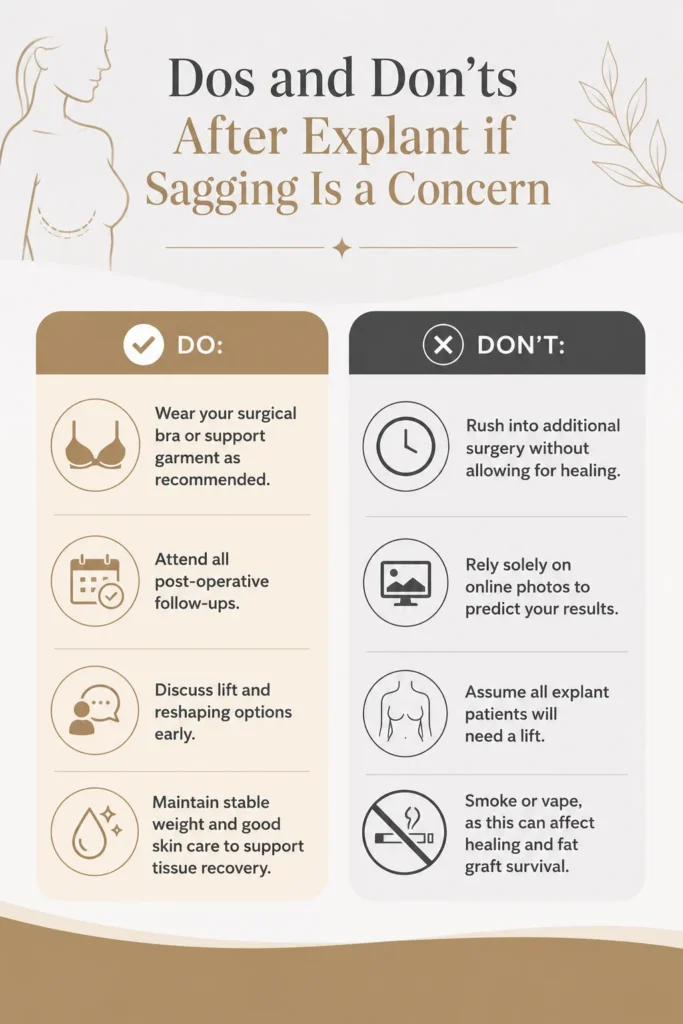
Dos and Don’ts After Explant if Sagging Is a Concern
✅ Do:
- Wear your surgical bra or support garment as recommended
- Attend all post-operative follow-ups
- Discuss lift and reshaping options early
- Maintain stable weight and good skin care to support tissue recovery
❌ Don’t:
- Rush into additional surgery without allowing for healing
- Rely solely on online photos to predict your results
- Assume all explant patients will need a lift
- Smoke or vape, as this can affect healing and fat graft survival
Next Steps – Discussing Explant Surgery with Dr Owen
If you’re planning explant surgery and wondering about potential sagging or reshaping, the best next step is a personalised consultation. Dr Owen will assess your individual anatomy and help you understand what to expect – and what options are available to restore natural breast balance.
📍 Perth, Western Australia
🌐 Visit https://www.drrobertowen.com.au/contact to book your consultation or learn more.
Further Reading
- Read more about Breast Lift Procedure Page
- Read Dr Owen’s Blog on What is an Enbloc Removal?
- Read Dr Owen’s Blog on Options After Removing Breast Implants
- Read Dr Owen’s Blog on En Bloc vs Total Capsulectomy: Differences Explained – A Specialist’s Approach with Dr Robert Owen